




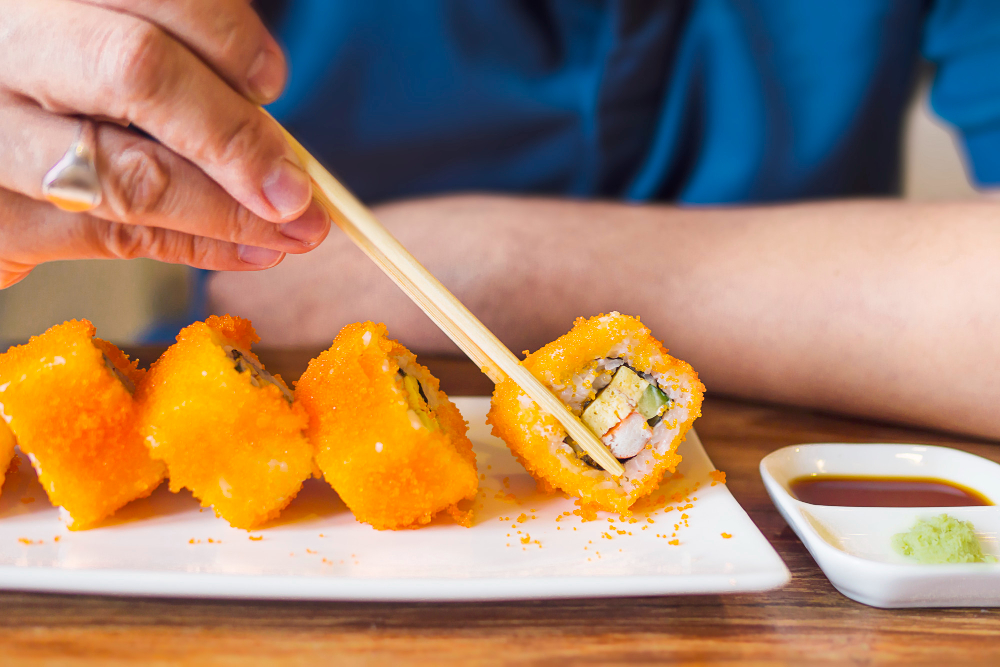

If you’ve ever enjoyed a sushi roll topped with tiny bright-orange pearls, you’ve likely eaten Masago. While many people recognize it as a colorful sushi garnish, Masago is much more than a decorative topping. These tiny fish eggs add flavor, texture, and nutrition to a wide range of dishes.
Masago has become increasingly popular in Japanese restaurants, poke bowl shops, and home kitchens across the United States. Its mild seafood flavor, delicate crunch, and impressive nutritional profile make it a favorite among both chefs and food lovers.
But what exactly is Masago? Is it healthy? How does it compare to tobiko and caviar? And are there any side effects you should know about?
This guide covers everything you need to know about Masago, including its nutrition facts, health benefits, uses, safety considerations, and more.
What Is Masago?
Masago is the edible roe, or eggs, of the capelin fish. Capelin is a small forage fish that belongs to the smelt family and is commonly found in the cold waters of the North Atlantic, Arctic, and North Pacific Oceans.
The eggs are extremely small, typically measuring around one millimeter in diameter. They naturally have a pale yellow color, but most commercial Masago is dyed bright orange to create the vibrant appearance commonly seen in sushi restaurants.
Although many people confuse Masago with tobiko, the two are not the same. Tobiko comes from flying fish and has larger, crunchier eggs. Masago is smaller, softer, and generally less expensive.
Because of its affordability and versatility, Masago has become one of the most widely used fish roe products in Japanese-inspired cuisine.
Where Does Masago Come From?
Masago comes from female capelin fish during spawning season. Capelin are small silvery fish that travel in large schools and play an important role in marine ecosystems.
During harvesting, the roe is carefully removed, cleaned, and processed. Manufacturers may add salt, seasonings, or natural coloring to improve flavor and appearance before packaging the product for sale.
The majority of commercial Masago sold in North America originates from fisheries located in Iceland, Norway, Canada, and other northern regions where capelin populations are abundant.
Why Is Masago Popular?
There are several reasons why chefs frequently use Masago:
- Affordable compared to tobiko and caviar
- Adds visual appeal to dishes
- Provides a satisfying crunch
- Enhances flavor without overpowering ingredients
- Works well in both traditional and modern recipes
Many sushi restaurants use Masago as a finishing ingredient because it instantly makes a dish look more attractive while adding texture and subtle seafood flavor.
Different Types of Masago
Although orange Masago is the most common variety, you may also encounter:
Red Masago
Often flavored with chili or spicy seasonings.
Green Masago
Typically infused with wasabi flavor.
Black Masago
Colored with squid ink for a dramatic appearance.
Yellow Masago
Sometimes flavored with yuzu or citrus ingredients.
Each variety offers a slightly different taste while maintaining the same characteristic crunch.
What Does Masago Taste Like?
One reason Masago has become so popular is its approachable flavor. Unlike stronger seafood products, it delivers a mild taste that complements many ingredients.
Flavor Profile
Masago has a:
- Light seafood flavor
- Mild saltiness
- Slight sweetness
- Subtle umami taste
Because the flavor is relatively delicate, it blends easily into dishes rather than dominating them.
For people who find caviar too intense or fishy, Masago often feels much easier to enjoy.
Texture and Mouthfeel
The texture of Masago is one of its biggest selling points.
Each tiny egg creates a subtle pop when bitten. While the crunch is not as pronounced as tobiko, it still adds a pleasant contrast to soft ingredients like rice, avocado, cream cheese, or seafood.
This balance of softness and crunch helps explain why chefs use it so frequently in sushi rolls.
Foods That Pair Well With Masago
Masago works well with a wide variety of ingredients.
Popular pairings include:
- Salmon
- Tuna
- Crab
- Shrimp
- Avocado
- Cucumber
- Cream cheese
- Sushi rice
- Seaweed
- Spicy mayo
Its versatility makes it useful far beyond sushi.
Masago Nutrition Facts
Despite its tiny size, Masago contains several valuable nutrients.
A typical one-ounce (28-gram) serving provides approximately:
| Nutrient | Amount |
| Calories | 40–50 |
| Protein | 5–7 g |
| Fat | 2–3 g |
| Carbohydrates | Less than 1 g |
| Vitamin B12 | High |
| Selenium | Moderate |
| Omega-3 Fatty Acids | Present |
| Sodium | High |
Exact values vary depending on the brand and processing method.
Protein Content
Masago is surprisingly rich in protein for such a small food.
Protein helps:
- Build muscle
- Repair tissues
- Support metabolism
- Increase fullness after meals
Because Masago contains complete protein, it provides essential amino acids that your body cannot produce on its own.
Healthy Fats
Masago contains omega-3 fatty acids, which are considered beneficial fats.
Omega-3s are linked to:
- Heart health
- Brain function
- Reduced inflammation
- Eye health
Although Masago contains lower levels of omega-3s than fatty fish such as salmon, it can still contribute to overall intake.
Vitamins and Minerals
Masago provides several important micronutrients.
Vitamin B12
Vitamin B12 supports:
- Nerve function
- Red blood cell production
- Energy metabolism
A deficiency can lead to fatigue and neurological issues.
Selenium
Selenium acts as an antioxidant that helps protect cells from damage.
It also supports immune function and thyroid health.
Magnesium
Magnesium contributes to:
- Muscle function
- Bone health
- Blood sugar regulation
- Nervous system function
Is Masago Keto-Friendly?
Because Masago contains very few carbohydrates and moderate amounts of protein and healthy fats, it fits well into ketogenic and low-carb diets.
Many people add it to keto sushi bowls, seafood salads, and low-carb appetizers for extra flavor without significantly increasing carb intake.
Health Benefits of Masago

Despite being tiny, Masago is nutrient-dense, providing several health benefits that make it more than just a sushi garnish.
Supports Heart Health
Masago contains omega-3 fatty acids, which help reduce inflammation, improve cholesterol levels, and support healthy blood vessels. Regular consumption in moderation may contribute to a lower risk of heart disease.
Promotes Brain Function
Vitamin B12 and omega-3s in Masago support memory, focus, and cognitive performance. For students or professionals seeking a brain-boosting food, Masago is a flavorful option to include in meals.
High-Quality Protein
One ounce of Masago contains 5–7 grams of protein, making it a rich source of amino acids essential for muscle repair, satiety, and overall energy. Protein also helps in regulating appetite, which can indirectly aid weight management.
Supports Eye Health and Immunity
Nutrients such as vitamin B12 and selenium contribute to retinal health and immune function. Selenium acts as an antioxidant, protecting cells from oxidative stress and supporting the body’s defense system.
Anti-Inflammatory Properties
Omega-3 fatty acids in Masago help reduce chronic inflammation, which is linked to heart disease, arthritis, and other chronic conditions. Regular, moderate consumption may promote overall wellness.
Skin and Energy Benefits
Masago’s protein, omega-3s, and micronutrients support healthy skin, hair, and energy levels, making it a nutritious addition to balanced diets.
Is Masago Good for Weight Loss?
Masago is low in calories but high in protein, making it friendly for weight management.
Low-Calorie Option
A single ounce of Masago contains about 40–50 calories, making it a perfect topping for sushi bowls, poke bowls, or salads without adding too many calories.
Protein for Satiety
Protein helps you feel full longer. Adding Masago to meals can reduce cravings and support portion control.
Keto and Low-Carb Diets
With almost zero carbohydrates, Masago is suitable for keto and low-carb diets. It can be incorporated into rolls, seafood salads, and low-carb bowls to add flavor, texture, and nutrients.
Potential Side Effects of Masago
Although Masago is healthy, some precautions are necessary.
High Sodium Content
Masago is often salted to enhance flavor. Overconsumption can increase blood pressure, especially in people sensitive to sodium.
Seafood Allergies
Masago is a fish product. Individuals with fish or shellfish allergies should avoid it. Symptoms may include hives, swelling, digestive issues, or in severe cases, anaphylaxis.
Preservatives and Artificial Coloring
Some commercial Masago contains food colorings or preservatives. Choosing fresh or minimally processed Masago reduces exposure to additives.
Purines and Gout
Masago contains purines, which can trigger gout attacks in sensitive individuals.
Overconsumption Risks
Too much Masago may contribute to high sodium intake or digestive discomfort. Moderation is key.
Is Masago Safe to Eat?
Can Pregnant Women Eat Masago?
Yes, in moderation. Pregnant women should choose fresh, reputable sources and avoid Masago that is raw or improperly stored. Mercury content is generally low, but caution is always recommended.
Is Raw Masago Safe?
Raw Masago is typically safe if it is fresh and properly stored. Refrigeration and proper handling are essential to prevent bacterial growth.
Who Should Avoid Masago?
- Individuals with fish allergies
- People on high-sodium diets
- Individuals with gout or uric acid sensitivity
Masago vs Tobiko
| Feature | Masago | Tobiko |
| Fish Source | Capelin | Flying fish |
| Size | Tiny eggs | Larger eggs |
| Texture | Soft, delicate | Crunchy, firm |
| Flavor | Mild | Stronger, slightly fishy |
| Price | Affordable | Expensive |
| Best Uses | Sushi rolls, poke | Specialty rolls, high-end sushi |
Masago is smaller, softer, and more affordable, while Tobiko offers a stronger crunch and is used in premium sushi preparations.
Masago vs Caviar
| Feature | Masago | Caviar |
| Fish Source | Capelin | Sturgeon |
| Flavor | Mild, subtle | Rich, intense |
| Appearance | Bright orange | Black/gray |
| Price | Affordable | Luxury/high-priced |
| Nutrition | Protein, omega-3, B12 | Rich fats, protein, vitamins |
Masago is perfect for everyday meals, while caviar is considered a luxury ingredient.
Culinary Uses of Masago
Masago is not just a garnish—it’s a versatile ingredient that can elevate a variety of dishes.
Sushi Rolls
Masago is most commonly seen on sushi rolls such as California rolls, spicy tuna rolls, and dragon rolls. It adds a vibrant color and a subtle pop of texture, making every bite more enjoyable. Sprinkling Masago on top also enhances the presentation, which is important in Japanese cuisine where aesthetics matter.
Poke Bowls
In poke bowls, Masago is used as a topping to provide crunch and flavor contrast to soft, marinated fish, avocado, and rice. Its bright orange hue also makes the dish visually appealing, encouraging appetite.
Rice Bowls
Masago can be added to rice bowls or chirashi bowls to give a touch of seafood flavor. It pairs particularly well with salmon, tuna, or imitation crab.
Seafood Pasta and Salads
For fusion dishes, Masago can be incorporated into seafood pasta, salads, or even creamy sushi-style sauces. It adds both flavor and a subtle crunch that balances creamy or soft ingredients.
Sauces and Dressings
Masago can be blended into spicy mayo, ponzu sauces, or vinaigrettes to provide a mild seafood flavor and vibrant orange color.
Garnishes
Use Masago as a final garnish on appetizers, soups, or small seafood bites to add texture and visual appeal. Its versatility makes it a favorite among chefs experimenting with modern Japanese fusion dishes.
How to Store Masago Properly
Masago is delicate and requires proper storage to maintain freshness and flavor.
Refrigeration Tips
- Keep Masago in an airtight container in the refrigerator.
- Store at 0–4°C (32–39°F).
- Consume within 1–2 weeks of opening.
Freezing Instructions
- Masago can be frozen for up to 1–2 months.
- Place it in a sealed freezer-safe container.
- Thaw in the refrigerator before use; avoid room-temperature thawing.
Shelf Life and Spoilage
- Always check for a fresh smell; any fishy or sour odor indicates spoilage.
- Avoid exposure to moisture or air to prevent degradation.
- Fresh, high-quality Masago has a firm texture and vibrant color.
Where to Buy Masago
Asian Grocery Stores
Most Asian markets carry fresh or frozen Masago in small containers or tubs. Look for a bright color and firm texture.
Japanese Markets
Specialty Japanese grocery stores often carry higher-quality, minimally processed Masago, sometimes imported directly from Japan or Iceland.
Online Seafood Retailers
Reputable online retailers allow you to order Masago that is fresh, vacuum-sealed, and shipped overnight. Always check the source and reviews.
Buying Tips
- Check the expiration date.
- Ensure the color is consistent (orange, red, or black).
- Smell it; a clean, oceanic scent indicates freshness.
- Avoid products with excessive artificial coloring or additives.
Sustainability and Environmental Impact
Masago comes from capelin fish, which are sensitive to overfishing. Choosing sustainably sourced Masago ensures environmental responsibility. Look for:
- Certified fisheries (MSC-certified or similar)
- Products labeled sustainably harvested
- Sources that avoid overfishing and protect ecosystems
Sustainable practices help protect the ocean food chain and ensure Masago remains available for future generations.
Frequently Asked Questions (FAQs)
Is Masago healthy?
Yes. Masago provides protein, omega-3 fatty acids, vitamin B12, and selenium, making it a nutrient-rich seafood option.
Is Masago raw or cooked?
Most Masago is sold raw or lightly pasteurized, but it’s safe to eat if properly stored.
Can pregnant women eat Masago?
Yes, in moderation. Choose fresh, reputable sources, and avoid Masago that is improperly stored or highly processed.
Is Masago keto-friendly?
Absolutely. With very low carbs and high protein, Masago fits well into keto and low-carb diets.
How does Masago compare to tobiko?
Masago is smaller, softer, and milder than tobiko, which has larger, crunchier eggs and a stronger flavor.
What fish does Masago come from?
Masago comes from the capelin fish, a small silvery fish found in cold North Atlantic and North Pacific waters.
Conclusion
Masago is a delicious, nutrient-packed, and visually striking ingredient that goes far beyond being just a sushi garnish. With protein, omega-3 fatty acids, vitamin B12, and selenium, it offers health benefits while adding texture, flavor, and color to a wide range of dishes.
While generally safe, it’s important to consume it in moderation due to its sodium content and to select fresh, high-quality sources. Whether you enjoy it on sushi, poke bowls, rice bowls, or in sauces, Masago is a versatile seafood ingredient worth exploring for both beginners and culinary enthusiasts alike.