



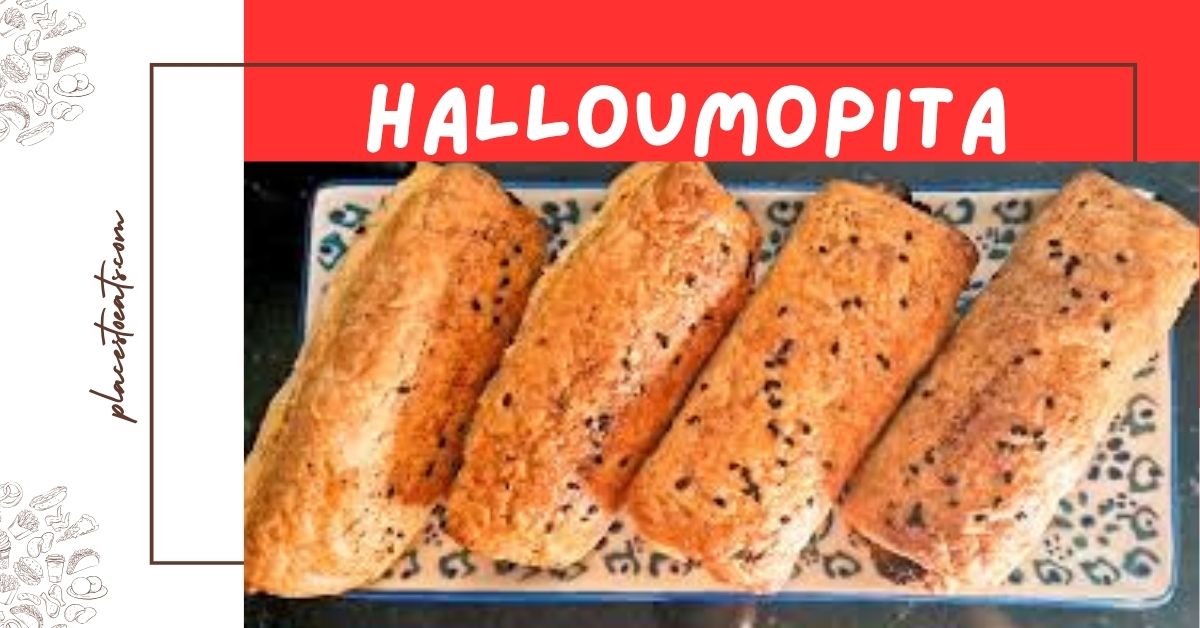

If you’ve never heard of halloumopita, get ready to fall in love with your new favorite savory bake. Imagine a warm, tender cake studded with golden, chewy pockets of halloumi cheese, laced with fresh mint, and dotted with sweet little bursts of sultana raisins. It sounds unusual. It tastes incredible.
You might be thinking, I’ve never worked with halloumi in baking before isn’t that risky? It’s a fair question. Halloumi is famous for holding its shape on a grill, not for showing up in cake batter. But that’s exactly what makes halloumopita so clever. Instead of melting into the batter like a normal cheese would, halloumi keeps its chew, creating little savory surprises in every slice.
Here’s the real problem most home cooks run into: recipes for halloumopita are often written in shorthand, passed down from a Cypriot grandmother who never measured anything and just “knew” when the batter looked right. That leaves a lot of curious cooks stuck, unsure where to even start.
This guide fixes that. Below, you’ll learn exactly what halloumopita is, where it comes from, and how to make it step by step with ingredients you can actually find. You’ll also get pro tips for texture, smart substitutions, and answers to the questions people ask most about this dish. By the end, you’ll have a new savory bake in your rotation that’s unlike anything else on your table.
What Is Halloumopita?
Halloumopita is a traditional Cypriot savory cake made primarily from grated halloumi cheese, eggs, flour, and mint. Despite the name ending in “pita,” it isn’t a flatbread in the way most people picture pita. Depending on the region and the cook, halloumopita can be a dense, moist cake baked in a bundt or loaf tin, or a flakier hand pie made with pastry dough both go by the same name in different Cypriot kitchens.
The name breaks down simply: “halloumi” refers to the cheese, and “pita” is a general term across Greek and Cypriot cooking for a pie or baked dish, not just the pocket bread most Americans know. So halloumopita essentially means “halloumi pie” or “halloumi bake,” and the form it takes can vary from household to household.
What stays consistent is the star ingredient. Halloumi is a semi-hard, brined cheese that keeps its shape and chew even after baking, which is why it works so well folded into a cake batter instead of melting away like mozzarella or cheddar would.
A Short History of Halloumopita and Halloumi Cheese
To understand halloumopita, it helps to understand halloumi itself. Halloumi cheese has deep roots in Cyprus, with historical records referencing it on the island dating back centuries. According to Wikipedia, halloumi is traditionally made from a blend of goat and sheep milk, though modern commercial versions increasingly include cow’s milk, and its defining trait a high melting point that lets it be fried or grilled without collapsing has made it popular as a meat alternative among vegetarians.
That same high melting point is exactly why halloumi translates so well into baking. In most cakes, cheese either disappears into the batter or turns greasy and separates. Halloumi does neither. It holds its structure, giving halloumopita its signature texture: a soft, slightly sweet cake interrupted by warm, chewy bites of cheese.
Halloumi’s cultural importance in Cyprus goes beyond the kitchen. The cheese received official Protected Designation of Origin status from the European Union, meaning that true halloumi must legally be produced on the island of Cyprus according to traditional methods. Halloumopita, as a dish built around this protected, centuries-old cheese, carries that same sense of local pride. It’s the kind of recipe often passed down through generations, made in Cypriot grandmothers’ kitchens long before anyone thought to write the measurements down.
It’s worth noting that recipe names in Cypriot cooking don’t always map neatly onto a single dish. Some families bake halloumopita as a bundt-style cake, sliced like banana bread. Others fold the same filling into a yeasted, flaky pastry closer to a hand pie. Both are called halloumopita, and both are equally “correct.” That flexibility is part of what makes the dish so approachable there’s no single rigid template you have to follow to get it right.
This kind of regional variation is common across Mediterranean home cooking, where recipes travel through families rather than cookbooks. A dish made in a village near Nicosia might look slightly different from the same dish made in Limassol, shaped by whatever ingredients were on hand and whichever grandmother taught the recipe. Halloumopita carries that same sense of personal, kitchen-tested history, which is part of why so many versions exist online today, each one slightly different from the last.
Why You’ll Love This Recipe
Halloumopita earns a spot in your regular baking rotation for a few simple reasons:
- It’s genuinely easy. Despite its impressive flavor, halloumopita is a one-bowl batter cake in most versions no complicated lamination or pastry work required.
- It’s naturally portable. Sliced into squares or wedges, halloumopita travels well for lunchboxes, picnics, or potlucks.
- It balances sweet and savory. The combination of salty halloumi, fragrant mint, and sweet sultanas creates a flavor profile that’s hard to compare to anything else in typical American baking.
- It’s forgiving. Like many traditional home recipes, halloumopita tolerates substitutions and imprecise measuring far better than delicate pastries do.
- It keeps well. Baked in a loaf or bundt shape, it stores and reheats beautifully, making it a smart make-ahead breakfast or snack.
- It introduces a new flavor category. If you love exploring global recipes, halloumopita offers a genuinely different experience from typical American baked goods it’s not quite a savory bread, not quite a dessert cake, but something distinctly its own.
Ingredients You’ll Need
Most halloumopita recipes rely on a short, accessible ingredient list. Here’s a typical lineup, along with notes on what’s essential and what’s optional.
Core ingredients:
- Halloumi cheese, coarsely grated
- Eggs
- Self-raising flour (or all-purpose flour plus baking powder)
- Milk
- Olive oil or another neutral oil
- Fresh mint, chopped, plus a smaller amount of dried mint
- Sultanas or golden raisins
- Sesame seeds, for topping
Optional but traditional additions:
- Mahlepi (mahlab), a fragrant spice ground from cherry pits, common in Cypriot and Middle Eastern baking
- Mastiha (mastic gum), a resin that adds a subtle piney, slightly sweet aroma
- A splash of orange juice or orange zest, which brightens the batter and complements the mint
If mahlepi and mastiha sound unfamiliar, don’t worry. Both are traditional flavorings, but plenty of modern halloumopita recipes leave them out entirely and still turn out delicious. Think of them as an “advanced” flavor upgrade rather than a requirement.
Where to find these ingredients: Halloumi is now widely stocked in the specialty cheese section of most major US grocery chains, often near feta and other brined cheeses. Mahlepi and mastiha are less common but usually available at Middle Eastern or Mediterranean grocers, as well as online spice retailers. Sultanas are simply golden raisins, so regular raisins from any grocery store work as a direct substitute if sultanas aren’t available.
A note on halloumi quality: Not all halloumi is created equal. Traditional Cypriot halloumi made with sheep and goat milk tends to have a richer, slightly tangier flavor than versions made mostly from cow’s milk, which are more common outside Cyprus. Either works for this recipe, so don’t feel like you need to track down an imported block for a first attempt.
Equipment You’ll Need
Halloumopita doesn’t require any specialty baking gear, which is part of why it’s such an approachable recipe for beginners. Here’s what to have on hand:
- A large mixing bowl for combining the wet ingredients
- A separate bowl for the dry ingredients
- A box grater for shredding the halloumi (a food processor with a grating attachment also works if you’re making a larger batch)
- A loaf pan or bundt tin. A standard 9-by-5-inch loaf pan works well, or a small bundt pan if you want the traditional cake shape featured in many Cypriot households.
- A wire cooling rack, so the bottom of the cake doesn’t turn soggy as it cools
- A hand mixer or whisk for beating the eggs until light and fluffy, which helps the finished cake rise properly
None of this equipment is unusual, which means most people can make halloumopita with what’s already sitting in their kitchen cabinets.
Step-by-Step: How to Make Halloumopita
This method reflects the classic cake-style halloumopita, which is the easiest version for a first attempt.
- Preheat your oven to around 350°F (175°C) and grease a loaf pan or bundt tin generously with oil or butter.
- Beat the eggs in a large bowl until light and slightly fluffy, about one minute with a hand mixer or vigorous whisking.
- Add the wet ingredients. Mix in the milk and olive oil until fully combined.
- Combine the dry ingredients in a separate bowl: flour, baking powder (if using all-purpose flour), and any mahlepi if you’re using it.
- Bring it together. Gradually fold the dry ingredients into the wet mixture until you have a smooth, thick batter.
- Fold in the halloumi and mint. Add the grated halloumi and both fresh and dried mint, stirring gently so the cheese is evenly distributed without overmixing the batter.
- Add the sultanas. Toss them in a spoonful of flour first this keeps them from sinking straight to the bottom of the pan then fold them into the batter.
- Pour and top. Transfer the batter into your prepared pan, smooth the top, and sprinkle generously with sesame seeds.
- Bake for 40 to 50 minutes, or until a skewer inserted into the center comes out clean and the top is deep golden brown.
- Cool before slicing. Let the halloumopita rest in the pan for about 10 minutes, then transfer to a wire rack to cool fully before cutting.
The result should be a golden, slightly domed cake with a tender crumb, punctuated by warm bites of cheese throughout.
Pro Tips for the Best Halloumopita
A few small details separate a good halloumopita from a great one:
- Grate, don’t cube, the halloumi. Grating distributes the cheese evenly through the batter, so every slice gets a fair share instead of a few lucky (or unlucky) bites.
- Don’t overmix once the cheese goes in. Stir just until combined. Overmixing can make the cake dense instead of tender.
- Use room-temperature eggs and milk. This helps the batter come together more smoothly and rise more evenly in the oven.
- Cover loosely with foil if the top browns too fast. Since the batter is dense, it sometimes needs more time in the oven than the top would suggest. A loose foil tent prevents over-browning while the center finishes baking.
- Let it rest. Cutting into halloumopita too soon can make it seem underdone even when it’s fully baked. A short cooling period firms up the texture.
Common Halloumopita Mistakes (and How to Fix Them)
Even simple recipes have a few common pitfalls. Here’s how to troubleshoot the most frequent ones:
- The cake sinks in the middle. This usually means the batter was overmixed after adding the flour, or the oven door was opened too early during baking. Mix just until combined, and resist peeking for the first 30 minutes.
- The halloumi sinks to the bottom. A batter that’s too thin won’t hold the cheese in suspension. If this happens, try adding slightly less milk next time, or toss the grated halloumi in a spoonful of flour before folding it in, the same way you would with the sultanas.
- The cake is dry. Overbaking is the most common cause. Start checking for doneness a few minutes before the recipe’s suggested time, since oven temperatures can vary.
- The top browns too fast, but the center is still raw. Tent the pan loosely with foil about halfway through baking to slow down browning while the inside finishes cooking.
- The cheese turns rubbery after reheating. This is usually a microwave issue. Reheat gently in a low oven instead, which keeps the halloumi’s texture closer to fresh-baked.
Variations to Try
Once you’ve made the classic version, halloumopita is easy to adapt:
- Pastry-style halloumopita. Some Cypriot cooks make halloumopita as a flaky, yeasted hand pie instead of a cake, filled with the same grated halloumi and mint mixture. It’s a great next step if you enjoy working with dough.
- Gluten-free halloumopita. A gluten-free flour blend can generally be swapped in at a 1:1 ratio, though the texture may be slightly denser.
- Herb swaps. While mint is traditional, some home cooks experiment with adding a small amount of fresh oregano or thyme for a different herbal note.
- Mini muffin version. Pour the batter into a muffin tin instead of a loaf pan for individually portioned, grab-and-go pieces perfect for lunchboxes or brunch spreads.
- Sweeter version. Some cooks increase the sultanas and add a touch more sugar to the batter, leaning the balance further toward dessert territory while still keeping the savory halloumi at the center.
- Spiced-up version. A pinch of ground cinnamon or a small amount of orange zest added to the batter brightens the flavor and pairs nicely with the mint, especially in the fall and winter months.
- Individual hand pies. If you want to try the pastry-style approach, wrap small portions of the halloumi-mint filling in a simple yeasted dough and bake until golden, similar in spirit to a savory turnover.
A Quick Look at Nutrition
Halloumopita isn’t a diet food, but it isn’t wildly indulgent either. Halloumi cheese is naturally high in protein and calcium, which means a slice of halloumopita offers more staying power than a typical sweet snack cake. The sultanas add natural sweetness without relying heavily on refined sugar, and the mint contributes flavor without any added calories.
That said, halloumi is also naturally salty, since it’s a brined cheese. If you’re watching sodium intake, consider soaking the grated halloumi briefly in cold water before adding it to the batter, which can mellow the saltiness slightly without affecting the texture.
What to Serve With Halloumopita
Halloumopita is versatile enough to fit into almost any meal. Consider pairing it with:
- A simple green salad with lemon vinaigrette for a light lunch
- Greek yogurt and honey for a sweet-and-savory breakfast plate
- Olives and sliced tomatoes as part of a Mediterranean mezze spread
- A cup of strong coffee or tea, since it’s traditionally enjoyed as a mid-morning or afternoon snack in Cyprus
- Fresh fruit, like sliced melon or figs, which plays nicely off the cake’s salty-sweet balance
- A drizzle of local honey over a warm slice, a popular way to serve savory Cypriot bakes as a light dessert
If you’re building a full spread for guests, halloumopita also works well cut into small squares and served alongside other mezze-style dishes, letting people sample a little of everything rather than committing to a full slice.
Storage and Reheating
Halloumopita holds up well after baking, which makes it an excellent make-ahead option.
- At room temperature: Store in an airtight container for up to two days.
- In the refrigerator: Keeps well for up to five days, tightly wrapped or in an airtight container.
- In the freezer: Slice first, then freeze individual portions wrapped in plastic wrap and stored in a freezer bag for up to two months.
- Reheating: A few minutes in a low oven (around 300°F) revives the texture better than a microwave, which can make the cheese slightly rubbery.
Halloumopita vs. Other Cypriot Pies
If you’re new to Cypriot baking, it’s easy to confuse halloumopita with a few similarly named dishes:
- Tiropita is a broader term for cheese pie across Greek and Cypriot cooking and can be made with a variety of cheeses, not just halloumi. Tiropita recipes often layer phyllo dough with a cheese filling, giving them a flakier, crispier texture than the cake-style halloumopita.
- Hellimli, also known as halloumoti, is a separate Cypriot dish a savory yeasted bread filled with halloumi, distinct from the cake-style halloumopita described in this guide. Hellimli has its own entry in Wikipedia’s coverage of Cypriot cuisine, which helps clarify that these are related but separate dishes rather than different names for the same thing.
- Flaouna is a richer, spiced Cypriot Easter bread that includes cheese along with raisins and mahlepi, traditionally made for the holiday season rather than as an everyday bake. Flaouna tends to use a firmer, more bread-like dough and is often shaped into individual rolls rather than baked as a single cake or loaf.
Halloumopita sits comfortably in this family of Cypriot baked goods, but its cake-like texture and everyday, snack-friendly nature set it apart from the more elaborate holiday breads. If you enjoy halloumopita, all three of these related dishes are worth exploring as you get more comfortable with Cypriot baking.
Frequently Asked Questions About Halloumopita
What does halloumopita taste like?
It’s a savory-sweet combination: salty, chewy bites of halloumi cheese, cool bursts of mint, and occasional sweetness from sultana raisins, all wrapped in a tender, slightly dense cake.
Can I make halloumopita without mahlepi or mastiha?
Yes. Both are traditional flavorings, but many modern recipes skip them entirely without losing the dish’s core flavor. They’re a nice addition if you can find them, not a requirement.
Is halloumopita served hot or cold?
Both work well. It’s often enjoyed warm shortly after baking, but it also tastes great at room temperature the next day, which makes it convenient for meal prep.
Can I use regular halloumi from the grocery store?
Yes. Standard grocery-store halloumi, typically found in the specialty cheese section, works perfectly for this recipe. There’s no need to seek out an imported or specialty brand.
Is halloumopita the same as a savory cheesecake?
It’s often described that way because of its dense, cake-like texture, but it’s technically a quick bread or savory cake rather than a true cheesecake, since it doesn’t use cream cheese or a custard base.
Can I make halloumopita ahead of time for a party?
Absolutely. It actually improves slightly after resting for a few hours, as the flavors have time to settle. Bake it the morning of or even the day before your event.
Why does my halloumi squeak when I eat it?
That’s completely normal and actually a sign of quality. The squeak comes from proteins in the cheese rubbing against tooth enamel before softening, and it’s considered a hallmark of well-made, fresh halloumi.
Can I substitute another cheese if I can’t find halloumi?
It’s possible, but the results will be different. Paneer is the closest substitute in terms of texture, since it also holds its shape when cooked, though the flavor will be milder and less salty than true halloumi.
Final Thoughts
Halloumopita is proof that some of the best recipes come from home kitchens, not professional ones. It’s humble, forgiving, and packed with flavor combinations that most American bakers have never tried salty cheese, fresh mint, and sweet raisins, all in one slice.
Start with the classic cake version this week, and once you’re comfortable, branch out into the pastry-style variation or a gluten-free adaptation. Either way, you’ll end up with a dish that turns a simple snack into a small trip to Cyprus.
There’s also something satisfying about learning a recipe like this one. Halloumopita doesn’t show up in most American cookbooks, which means making it at home puts you in a small, curious group of cooks willing to try something genuinely different. Once your kitchen fills with the smell of warm halloumi and fresh mint, don’t be surprised if this becomes a recipe you return to again and again.