


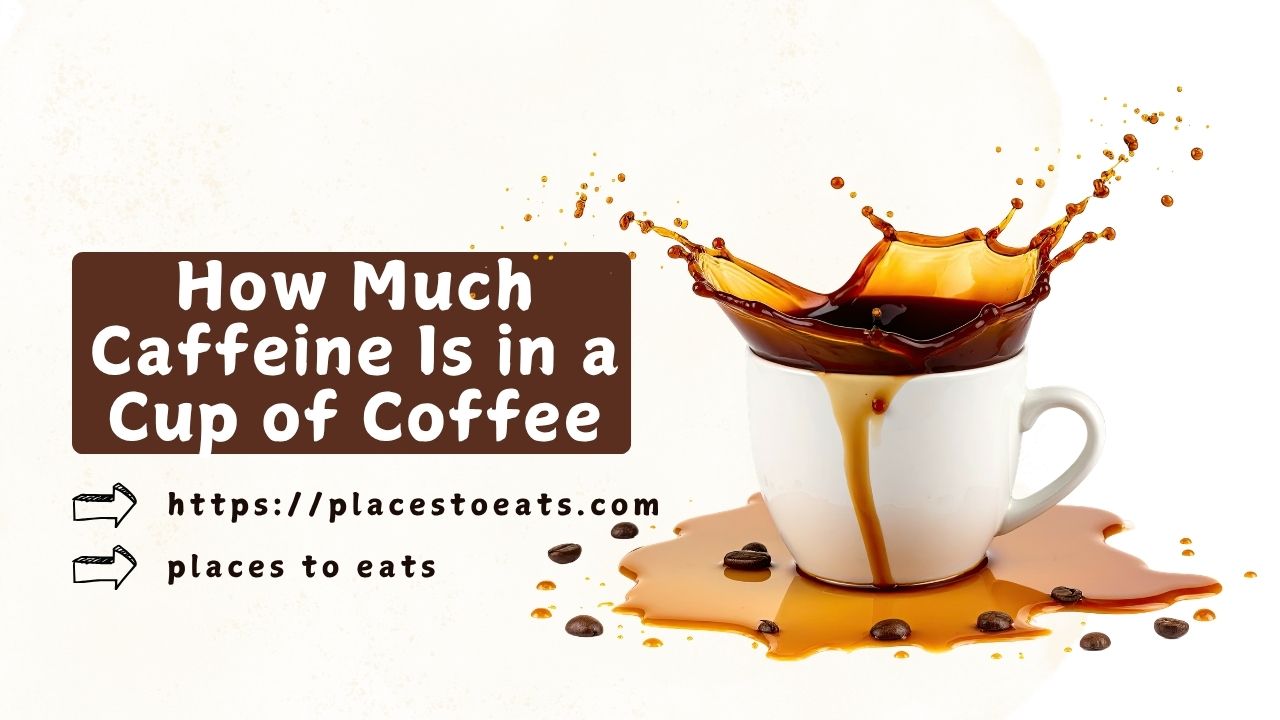

Coffee. Just the word alone can spark memories of early mornings, cozy cafés, and that first jolt of energy that makes your day feel possible. But have you ever stopped and asked yourself, “How much caffeine is in a cup of coffee?” I’ve spent years exploring the world of coffee and wellness, and today, I want to share insights that will help you enjoy your favorite beverage safely, understand its effects on your body, and even harness caffeine to boost your energy and focus.
Whether you’re a casual coffee drinker, a fitness enthusiast, or simply someone trying to get through the workday without relying on endless cups, this guide is for you. Together, we’ll dive deep into caffeine content, how it affects your health, and practical tips to optimize your daily intake without overdoing it.
Understanding Caffeine and Its Role in Your Body
Before we dive into numbers and comparisons, it’s essential to understand what caffeine really is. When I first learned about caffeine’s effects, I was amazed at how something so common could influence almost every aspect of our day-to-day life mental focus, sleep patterns, and even physical performance.
Caffeine is a natural stimulant found in coffee beans, tea leaves, and some other plant-based sources. Its primary function is to block adenosine, a chemical in your brain that promotes sleepiness. By doing this, caffeine increases alertness, energy, and even mental clarity. But like all good things, it comes with a balance.
What Is Caffeine?
At its core, caffeine is a psychoactive compound that affects your central nervous system. When you drink a cup of coffee, caffeine enters your bloodstream and starts working within 45 minutes. You might feel a gentle lift in mood, a burst of energy, or even a sharper focus for your tasks.
Here’s what I’ve found particularly interesting: caffeine doesn’t just wake you up it interacts with your brain chemistry in ways that can enhance memory, reaction time, and even endurance during workouts. It’s like a natural creativity booster, if used wisely.
Key Effects of Caffeine on Your Body:
- Increases alertness and attention
- Enhances physical performance and endurance
- Boosts metabolism temporarily
- Improves mood and mental clarity
How Caffeine Interacts With Your Body
Everyone experiences caffeine differently. Personally, I’ve noticed that one cup in the morning gives me just enough energy to start the day, while others might need two or three to feel the same effect. The difference often comes down to factors like metabolism, genetics, age, and even your lifestyle habits.
Caffeine is absorbed quickly and metabolized in the liver by the CYP1A2 enzyme. Some people are fast metabolizers, meaning caffeine leaves their system more quickly, while slow metabolizers might experience jitteriness, sleep disturbances, or heightened heart rate from the same amount.
Pro Tip: If you’re unsure about your tolerance, start small and monitor how your body responds. Keep a little journal of your coffee habits. It’s a creative way to understand yourself better.
How Much Caffeine Is in a Cup of Coffee?
Now, let’s answer the million-dollar question: how much caffeine is actually in a cup of coffee? The truth is, it varies more than most people realize. Depending on the coffee type, brewing method, and even the serving size, caffeine content can swing dramatically.
Standard Caffeine Levels by Coffee Type
| Coffee Type | Serving Size | Approx. Caffeine Content (mg) |
| Drip Coffee | 8 oz | 95 |
| Espresso | 1 oz | 63 |
| French Press | 8 oz | 107 |
| Cold Brew | 8 oz | 150 |
I personally enjoy experimenting with brewing methods at home. For example, my French press produces a richer cup, slightly higher in caffeine, but with smoother taste. Cold brew, on the other hand, is like a slow-release caffeine bomb it’s concentrated and works well when you need extended focus.
Factors That Affect Caffeine Content
- Bean Type: Arabica beans generally contain less caffeine than Robusta. If you’re looking for a smoother, milder lift, Arabica might be your creative companion.
- Roast Level: Surprisingly, lighter roasts often have slightly more caffeine than dark roasts, by volume. Don’t let the darker color fool you!
- Brewing Time & Temperature: Longer brewing and higher temperatures extract more caffeine. So, if you’re steeping your cold brew overnight, expect a higher caffeine kick.
- Serving Size: Many cafés serve coffee in larger cups than standard 8 oz servings, sometimes doubling or tripling caffeine intake without you realizing it.
Comparing Coffee to Other Beverages
If you’re trying to moderate caffeine, it helps to know how coffee stacks up against other drinks:
| Beverage | Serving Size | Caffeine (mg) |
| Black Tea | 8 oz | 47 |
| Green Tea | 8 oz | 30 |
| Energy Drink | 8 oz | 80–100 |
| Soda | 12 oz | 30–40 |
When I track my caffeine creatively, I also consider energy drinks and sodas. Often, people underestimate their total intake because caffeine sneaks in from other sources.
Is Your Daily Coffee Safe?
Understanding how much caffeine is in a cup of coffee is more than just trivia it’s vital for your health. Too much caffeine can lead to side effects, but moderate amounts offer surprising benefits.
Recommended Daily Limits
Here’s what health authorities recommend:
- Healthy adults: Up to 400 mg/day (~4 cups of brewed coffee)
- Pregnant individuals: 200 mg/day or less
- Teens: ≤100 mg/day
These limits are not just numbers they are creative guidelines to help you enjoy coffee without compromising your health.
Signs You’re Consuming Too Much
I encourage you to watch for these signs:
- Jitters, restlessness, or anxiety
- Rapid heartbeat
- Insomnia or disrupted sleep
- Headaches or nausea
- Upset stomach
If you notice these, consider reducing your intake gradually. Your body will thank you.
Health Benefits of Moderate Coffee Consumption
Moderate coffee consumption can be a boon for your health:
- Mental Alertness: Keeps your mind sharp and focused
- Antioxidants: Fights oxidative stress and inflammation
- Disease Prevention: Linked to lower risks of Parkinson’s, Alzheimer’s, and type 2 diabetes
- Mood Boost: Helps with creativity and focus during tasks
Managing Your Caffeine Intake
Here’s where creativity meets practical application. Managing your caffeine intake isn’t about restriction it’s about making choices that support your lifestyle.
Tips to Control Daily Intake
- Track Your Intake: I like using a simple app or journal to log every cup. It’s enlightening to see how much you really consume.
- Limit Multiple Cups: Instead of three large cups in a row, space them out. Your energy levels will be steadier.
- Time It Wisely: Avoid caffeine 6–8 hours before bedtime. This ensures restful sleep, which is crucial for productivity and creativity.
Alternatives to High-Caffeine Coffee
- Decaf Coffee: Great for evenings or sensitive stomachs
- Herbal Teas: Naturally caffeine-free options, like chamomile or rooibos
- Adaptogenic Drinks: Ginseng, ashwagandha, and other natural boosters can give you energy without spikes
Personalized Caffeine Strategies
Your lifestyle, genetics, and health all influence caffeine tolerance. I’ve found that customizing my coffee schedule based on workouts, deadlines, and social events makes a huge difference in energy and creativity.
Advanced Insights: Coffee and Your Health
Caffeine isn’t just a stimulant it’s a compound that interacts with your body in complex ways. Understanding this can help you use coffee to your advantage.
Genetics and Caffeine Metabolism
Your genes, particularly the CYP1A2 gene, influence how quickly caffeine is metabolized. Fast metabolizers can drink more without side effects, while slow metabolizers might experience jitters, anxiety, or sleep disturbances from smaller amounts.
Coffee and Sleep
Caffeine blocks adenosine, the chemical that tells your brain it’s time to rest. Drinking coffee too late can interfere with REM sleep, leaving you tired the next day. A tip I use myself is to finish my last cup by 2 PM. This gives caffeine time to leave my system before bedtime.
Coffee and Disease Prevention
Moderate coffee consumption usually 2–4 cups per day has been associated with:
- Reduced risk of type 2 diabetes
- Lower incidence of Parkinson’s disease
- Antioxidant benefits that support cardiovascular health
Remember: Excessive caffeine can negate these benefits, so moderation is key.
Coffee Types and Caffeine Content in Detail
If you want to experiment with coffee creatively, knowing caffeine content per type is essential.
Espresso-Based Drinks
| Drink | Espresso Shots | Caffeine (mg) |
| Espresso | 1 | 63 |
| Latte | 1–2 | 63–126 |
| Cappuccino | 1–2 | 63–126 |
| Americano | 1–2 | 63–126 |
Brewed Coffee
| Brew Method | Serving Size | Caffeine (mg) |
| Drip Coffee | 8 oz | 95 |
| French Press | 8 oz | 107 |
| Pour Over | 8 oz | 96–110 |
| Cold Brew | 8 oz | 150 |
Tip: Cold brew can be a slow-release caffeine option, keeping your energy steady for longer.
Frequently Asked Questions (FAQs)
1. Can I drink coffee late at night?
Avoid caffeine 6–8 hours before bedtime to ensure restful sleep.
2. Is espresso stronger than drip coffee?
Espresso has more caffeine per ounce, but drip coffee usually contains more total caffeine per cup.
3. How quickly does caffeine leave the body?
Caffeine’s half-life is roughly 5 hours, but it varies by individual.
4. Can I drink coffee while pregnant?
Yes, but limit intake to 200 mg/day (~1–2 cups).
5. Does cold brew have more caffeine than hot coffee?
Often yes, due to longer brewing times and higher coffee-to-water ratio.
6. How do I know my caffeine tolerance?
Start with small amounts, monitor your energy, sleep, and heart rate, then adjust accordingly.
Takeaways: Enjoy Coffee Without Compromising Your Health
Understanding how much caffeine is in a cup of coffee allows you to make smarter, healthier choices. By tracking your intake, selecting the right brewing methods, and paying attention to your body, you can enjoy coffee safely while maximizing mental alertness, creativity, and overall well-being. Remember, moderation is key. With mindful consumption, coffee becomes more than a drink it becomes a tool for energy, focus, and inspiration.