



What Is Chai Tea? A Beginner’s Guide
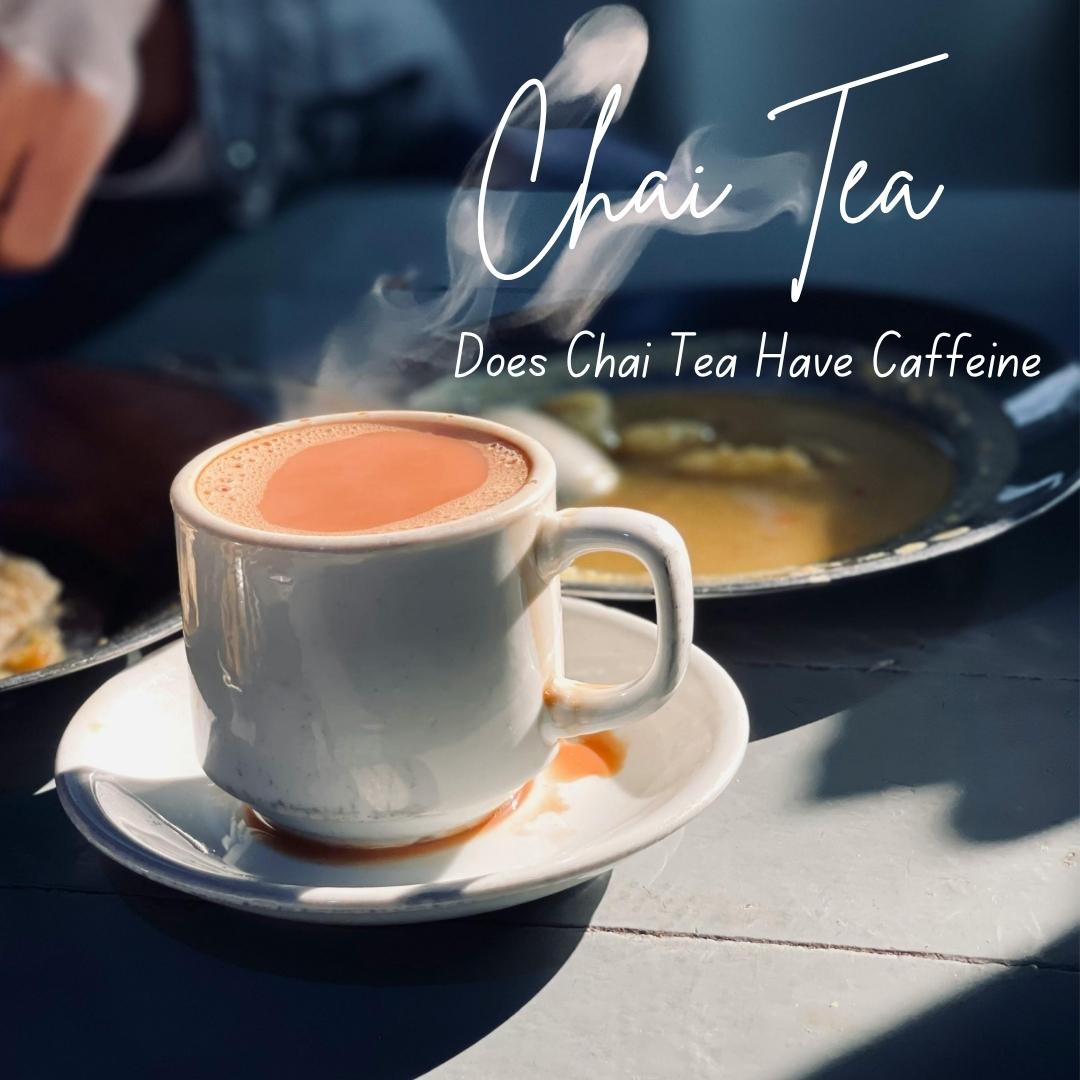
If you’ve ever wandered into a cozy café and smelled the rich, spicy aroma of chai tea, you know just how inviting this beverage can be. I remember the first time I brewed my own cup at home it felt like capturing a warm hug in a mug. Chai tea, or masala chai as it’s traditionally known, originated in India, where it has been enjoyed for centuries. Its classic blend combines black tea with spices like cinnamon, cardamom, ginger, cloves, and black pepper. Milk and sweeteners are often added to balance the strong flavors, giving it that comforting, creamy texture we all love.
Many people drink chai for relaxation, comfort, or simply for its bold, aromatic flavors. But if you’re like me, you might wonder: does chai tea have caffeine? Understanding the caffeine content in your cup is important if you want to enjoy chai without unexpected energy spikes or sleepless nights.
The Caffeine Content in Chai Tea
How Much Caffeine Is in a Cup?
On average, an 8-ounce cup of chai tea contains between 40–70 mg of caffeine. This may seem like a wide range, but it makes sense once you understand the factors that contribute to caffeine levels. Compared to a standard cup of coffee, which has roughly 95 mg per 8 ounces, chai offers a gentler energy boost. For someone like me, who loves the taste of tea but can’t handle too much caffeine, chai is a perfect compromise.
Several factors influence caffeine content in chai:
- Type of tea leaves: Black tea has higher caffeine than green tea or rooibos.
- Brewing time and water temperature: Longer steeping releases more caffeine into your cup.
- Tea leaf quantity: More leaves mean more caffeine.
- Concentrates or store-bought mixes: Pre-made chai concentrates sometimes have higher caffeine due to concentrated black tea extracts.
Comparing Chai to Coffee and Other Teas
To put things in perspective, here’s a quick comparison:
| Beverage | Serving Size | Approx. Caffeine |
| Coffee | 8 oz | ~95 mg |
| Black Tea | 8 oz | ~47 mg |
| Green Tea | 8 oz | ~30 mg |
| Herbal Tea | 8 oz | 0 mg |
Chai sits comfortably between green tea and coffee. It provides a smooth, sustained lift rather than a sudden spike. Personally, I enjoy this slower energy release, which allows me to focus without feeling jittery or anxious.
Chai Tea Variants and Their Caffeine Levels
Masala Chai
Traditional masala chai brewed from black tea leaves is your standard 40–70 mg caffeine per cup. The spices don’t add caffeine, but they can enhance alertness naturally. I find that a cup of masala chai mid-morning helps me stay creative and energized without overloading my system.
Chai Latte (Café Style)
Café-style chai lattes often contain more milk and sometimes fewer tea leaves. While this can slightly reduce caffeine, some commercial concentrates may actually have more caffeine than homemade chai. One tip I always share is to ask your barista how strong their concentrate is if you’re watching your caffeine intake.
Herbal Chai and Rooibos Chai
For those who want the taste without the caffeine, herbal or rooibos chai is the way to go. These blends use caffeine-free ingredients, allowing you to enjoy the flavor even in the evening. Personally, I brew rooibos chai for a relaxing night-time ritual.
Iced Chai and Chai Concentrates
Iced chai and pre-made concentrates vary in caffeine depending on the tea strength. When I’m on the go, I often choose a lighter concentration to avoid an unexpected energy surge, but I still get the comforting flavor I love.
Who Should Monitor Their Chai Caffeine Intake?
While most healthy adults can enjoy chai safely, certain groups should monitor their intake:
- Children and teenagers: Limit daily caffeine to prevent restlessness or sleep disruption.
- Pregnant or breastfeeding individuals: Consult a healthcare provider to ensure caffeine consumption is safe.
- Caffeine-sensitive adults: Those prone to insomnia or jitteriness should take care.
I’ve personally found that monitoring my caffeine in the afternoon helps me enjoy my chai without affecting my sleep later.
Tips to Enjoy Chai Tea Without the Jitters
I love chai tea, but I also value my sleep and calm focus. Here are some tips I’ve learned over the years:
| Tip | Description |
| Decaffeinated or herbal chai | Use decaffeinated black tea or herbal chai blends to reduce caffeine intake. |
| Shorter brewing time | Brew for a shorter period to reduce caffeine extraction. |
| Add milk and spices | Combine with milk and spices for a soothing, less stimulating effect. |
| Avoid late evening | Skip chai in the late evening if you’re sensitive to caffeine to preserve sleep quality. |
Ways to Reduce Caffeine in Chai
| Method | Details |
| Brew 2–3 minutes | Shorten brewing time instead of 5–7 minutes to reduce caffeine. |
| Use fewer tea leaves | Less tea per cup means less caffeine. |
| Mix with herbal tea | Combine half black tea with half herbal tea for a milder effect. |
| Choose decaf brands | Select store brands labeled as decaf for lower caffeine content. |
Health Benefits Beyond Caffeine
Chai isn’t just about caffeine. The spices and tea leaves contribute to numerous health benefits:
- Spices: Ginger, cardamom, and cinnamon may aid digestion and provide anti-inflammatory effects.
- Antioxidants: Black tea contains polyphenols that support heart health.
- Mindful energy: The combination of caffeine and spices offers alertness without sharp crashes.
I find that my morning cup of chai not only wakes me up but also inspires creativity and focus for the day ahead.
Fun Facts About Chai and Caffeine
- Chai culture in India involves multiple servings throughout the day, making it a social and comforting ritual.
- Herbal chai is often mistaken as caffeinated due to its bold flavor.
- Spices in chai may naturally enhance alertness and mood.
FAQ Section
1. Does chai tea have caffeine?
Yes, traditional chai made with black tea contains caffeine, usually 40–70 mg per cup.
2. Is chai tea healthier than coffee?
Chai offers lower caffeine and added spices with potential health benefits, but coffee also has antioxidants. It depends on your preferences and tolerance.
3. Can I drink chai at night?
If sensitive to caffeine, choose herbal or decaffeinated chai to avoid sleep disruption.
4. How can I lower caffeine in chai?
Use decaf tea, shorten brewing time, reduce tea leaves, or mix with herbal blends.
5. Does chai latte have more or less caffeine than homemade chai?
It depends. Café chai lattes vary based on the concentrate strength.
6. Is rooibos chai caffeine-free?
Yes, rooibos is naturally caffeine-free and perfect for evening consumption.
Conclusion
Chai tea is more than a beverage; it’s a ritual that blends flavor, comfort, and energy. By understanding the caffeine content, exploring different variants, and brewing mindfully, you can enjoy chai anytime while keeping your energy balanced. Whether you’re indulging in a morning cup for focus or a calming herbal chai in the evening, chai has a way of inspiring creativity and providing a gentle boost that coffee sometimes can’t. Brew, sip, and enjoy yourself, my friend your perfect cup of chai is waiting.