


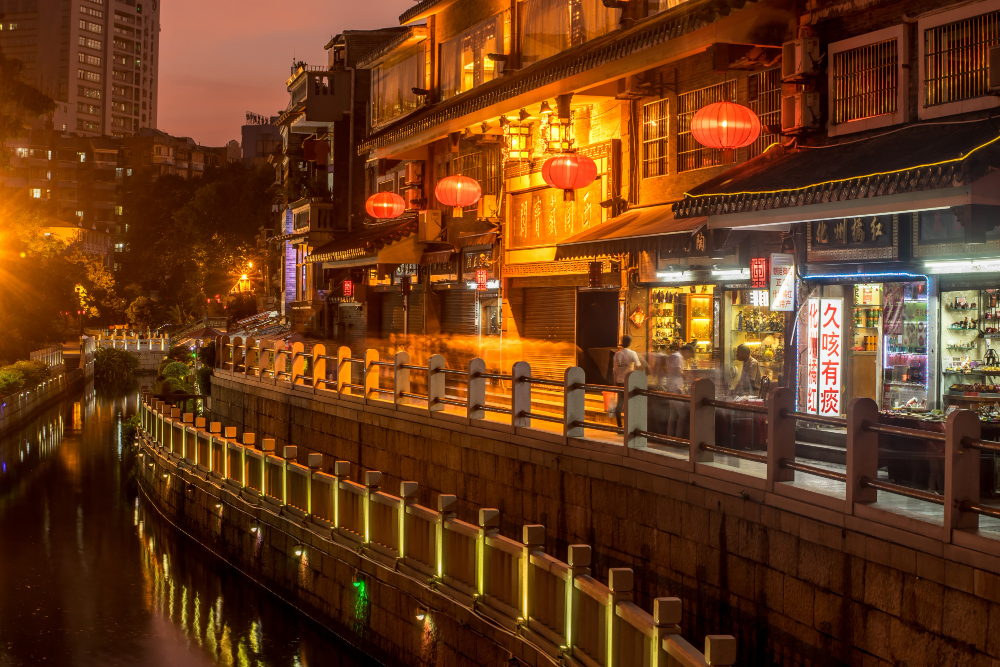

When traveling to China’s historic capital, it is incredibly easy to fall into overpriced tourist food traps. While global fast-food chains and flashing neon signs on main avenues draw massive crowds, the true culinary heart of the city lies hidden. It thrives in the narrow hutongs (traditional stone alleys) and unassuming neighborhood corners where local Beijingers (Lao Beijing) willingly queue for hours.
If you want to skip the bland, commercialized versions of Chinese food and experience real flavor, you need to eat where the residents eat. From the perfect, non-greasy crispy skin of authentic Peking Duck to steaming copper pots of tender mutton, here is the ultimate guide to the top 10 Beijing restaurants strictly approved by locals.
Quick Guide: Beijing Local Favorites at a Glance
Before diving into the details, here is a quick overview of the top spots, their specialties, and budget levels to help you plan your food itinerary.
| Restaurant Name (English & Chinese) | Specialty Cuisine | Budget Level (Per Person) | Nearest Subway Station |
| Siji Minfu (四季民福) | Peking Roast Duck | Mid-Range (~200 RMB) | Dengshikou or Tiananmen East |
| Baoyuan Dumplings (宝源饺子屋) | Colorful Hand-rolled Dumplings | Budget (~80 RMB) | Liangmaqiao |
| Dong Lai Shun (东来顺) | Traditional Copper Hot Pot | Mid-Range (~150 RMB) | Wangfujing |
| Huda Restaurant (胡大饭馆) | Spicy Crawfish & Street Food | Budget-Friendly (~120 RMB) | Beixinqiao |
| Huajia Yiyuan (花家怡园) | Courtyard Imperial Dining | Premium (~180-250 RMB) | Dongzhimen |
| Zhang Mama (张妈妈特色川味馆) | Fiery, Authentic Sichuan | Ultra-Budget (~60 RMB) | Andingmen |
| King’s Joy (京兆尹) | 3-Michelin Star Vegetarian | Luxury (~600+ RMB) | Yonghegong (Lama Temple) |
| Da Dong (大董) | Modern High-End Roast Duck | Premium (~400 RMB) | Tuanjiehu |
| Little Yunnan (小云南) | Regional Yunnan Herbal Cuisine | Budget-Friendly (~100 RMB) | Dongsi |
| Manjie Dumpling House (满姐饺子) | Old Beijing Comfort Food | Budget (~90 RMB) | Shichahai |
The Top 10 Local-Approved Restaurants in Beijing
1. Siji Minfu (四季民福) — The Modern King of Peking Duck
While older heritage chains like Quanjude are heavily marketed to tour groups, local Beijingers bring their own families to Siji Minfu. This restaurant completely revolutionized the Peking Duck scene by modifying the roasting process to yield a distinctly crispier, less-greasy skin while retaining incredibly succulent meat.
- The Vibe: Elegant, lively, and warm with traditional wooden elements.
- Must-Try Dishes:
- Traditional Peking Roast Duck (烤鸭): Served with paper-thin wrappers, fine sugar (to dip the crispy skin in), and rich sweet bean sauce.
- Beile Roast Meat (贝勒烤肉): Tender, flash-fried seasoned lamb served on a sizzling hot plate with scallions.
- Local Insider Tip: The branch near the Forbidden City (Dongbinhe Road) offers an unforgettable view of the palace moat. Show up at least 1.5 to 2 hours before opening time to grab a ticket, as online queues fill up instantly.
- Average Cost: 200 RMB (~$28 USD) per person.
2. Baoyuan Dumplings Restaurant (宝源饺子屋)
Dumplings (jiaozi) are the absolute soul of Northern Chinese comfort food. Baoyuan stands out to locals because it strikes a perfect balance between creative innovation and authentic, home-style taste. They use natural, fresh vegetable juices (such as purple cabbage, spinach, and carrot) to dye their dough wrappers into vibrant colors.
- The Vibe: Casual, noisy, and deeply nostalgic.
- Must-Try Dishes:
- Pork with Purple Cabbage and Rice Crust Dumplings: Adds a unique crunch inside a soft wrapper.
- Kung Pao Chicken Dumplings: A brilliant local twist on a classic stir-fry flavor.
- Local Insider Tip: You can order your dumplings by weight or by the piece. Ordering in multiples of 5 allows you to mix and match multiple fillings without getting too full.
- Average Cost: 80 RMB (~$11 USD) per person.
3. Dong Lai Shun (东来顺) — Authentic Charcoal Copper Hot Pot
Forget the heavy, oil-saturated, tongue-numbing Sichuan style hot pot for a moment. True old-school Beijing hot pot relies on a clear, lightly seasoned broth inside a traditional, towering charcoal-heated copper pot. Established in 1903, Dong Lai Shun is a culinary institution that locals trust for pristine meat quality.
- The Vibe: Rich in history, featuring classic Islamic-Chinese cultural decor.
- Must-Try Dishes:
- Paper-Thin Sliced Mongolian Mutton (刷羊肉): Cooked in the boiling broth for exactly 10-15 seconds.
- House Sesame Dipping Paste (麻酱): A thick, savory, savory-sweet peanut and sesame sauce that coats the meat beautifully.
- Local Insider Tip: Do not leave without ordering Shaobing (烘焙烧饼)—flaky, multilayered sesame biscuits that are perfect for soaking up residual flavors.
- Average Cost: 150 RMB (~$21 USD) per person.
4. Huda Restaurant (胡大饭馆) — Late-Night Energy on Ghost Street
Located right on the famous Gui Jie (Ghost Street), Huda is the undisputed capital of Beijing’s late-night food culture. If you want to see where young Beijingers hang out after working long corporate hours, this neon-drenched, high-energy restaurant is the place to be.
- The Vibe: High-decibel, smoky, thrilling, and open until the early hours of the morning.
- Must-Try Dishes:
- Spicy Crawfish / Mala Xiaolongxia (麻辣小龙虾): Ordered by the piece, dripping in fiery chili oil and Sichuan peppercorns.
- Spicy Lamb Skewers (羊肉串): Heavily dusted with cumin and red pepper flakes.
- Local Insider Tip: The wait times at the main branch can literally stretch across three hours during summer weekends. Download the Dazhong Dianping app to join the virtual queue before you even catch a taxi there.
- Average Cost: 120 RMB (~$17 USD) per person.
5. Huajia Yiyuan (花家怡园) — Courtyard Imperial Elegance
If you want to experience the grandeur of dining inside a beautifully restored, historic Siheyuan (traditional quadrangle courtyard) without paying astronomical fine-dining prices, Huajia Yiyuan is a local favorite. They specialize in “Huajia Style” residential cooking, which takes royal Qing Dynasty recipes and modernizes them.
- The Vibe: Extremely romantic. Dine under the open stars surrounded by traditional red lanterns, ancient trees, and regular live face-changing (Bian Lian) performances.
- Must-Try Dishes:
- Huajia Style Master Roast Duck: Served with a unique array of toppings including fresh melon strips and berries.
- Stir-fried Imperial Venison: Velvety smooth and intensely savory.
- Average Cost: 180 – 250 RMB (~$25 – $35 USD) per person.
6. Zhang Mama (张妈妈特色川味馆)
Hidden deep within the historic hutongs near the ancient Drum and Bell Towers, this legendary hole-in-the-wall Sichuan joint proves that world-class flavor doesn’t require a fancy dining room. It is small, incredibly cramped, and constantly packed with students and budget-conscious foodies looking for uncompromising spice.
- The Vibe: Zero frills, fast-paced, and intensely aromatic.
- Must-Try Dishes:
- Zhang Mama Xiangxiang Ji (张妈妈香香鸡): Cold, tender poached chicken swimming in an intensely fragrant, savory sesame chili oil.
- Mapo Tofu (麻婆豆腐): Silken tofu with a rich, numbing, deeply savory minced pork sauce.
- Average Cost: 60 RMB (~$8 USD) per person.
7. King’s Joy (京兆尹) — 3-Michelin Star Vegetarian Masterpiece
Located directly across the street from the historic Yonghegong (Lama Temple), King’s Joy is where affluent locals go to celebrate special occasions. As a world-renowned 3-Michelin-starred establishment, it completely redefines vegetarian cuisine by ditching processed fake meats and focusing entirely on wild, organic mushrooms and seasonal plants.
- The Vibe: Zen-like luxury. Dry ice creates a mystical, cloud-like mist over a courtyard filled with live harp music.
- Must-Try Dishes:
- Sweet and Sour Lotus Root Ribs: Mimics the texture of traditional pork ribs using local root vegetables.
- Braised Matsutake Mushrooms: Deeply earthy, rich, and full of natural umami.
- Average Cost: 600+ RMB (~$85+ USD) per person.
8. Da Dong (大董) — The Artistic, High-End Alternative
While Siji Minfu is beloved for family gatherings, Da Dong is the local choice for corporate banquets and contemporary food enthusiasts. Chef Dong Zhenxiang is famous for developing a high-tech roasting technique that creates a “super-lean” duck skin that melts away with almost zero residual fat.
- The Vibe: Sleek, artistic, dark, and highly contemporary.
- Must-Try Dishes:
- Da Dong “Su Bu Ni” Roast Duck: The skin is so light and crisp it dissolves effortlessly when dipped in plain sugar.
- Braised Sea Cucumber: A luxurious local delicacy cooked to absolute textural perfection.
- Average Cost: 400 RMB (~$55 USD) per person.
9. Little Yunnan (小云南)
Tucked quietly away from the roaring traffic of Dongsi, this intimate, green oasis introduces travelers to the fresh, sour, and herbal flavor profile of Southwestern China’s Yunnan province. Local creative professionals and writers frequent this spot for its peaceful courtyard atmosphere and unique regional ingredients.
- The Vibe: Bohemian, relaxed, rustic, and filled with lush potted plants.
- Must-Try Dishes:
- Granny’s Mashed Potatoes (老奶洋芋): Rich, creamy mashed potatoes tossed with local pickled greens and spicy scallions.
- Deep-Fried Yunnan Goat Cheese (乳饼): A rare, delicious savory dairy treat crisp on the outside and soft on the inside.
- Average Cost: 100 RMB (~$14 USD) per person.
10. Manjie Dumpling House (满姐饺子)
For absolute comfort food with zero pretense, Manjie is where locals go when they crave their grandmother’s cooking. The portions are famously massive, the service is blindingly fast, and the interior mimics a classic, boisterous old-school Beijing dining hall.
- The Vibe: Casual, family-centric, and loud.
- Must-Try Dishes:
- Pork, Leek, and Shrimp Dumplings: Plump, bursting with natural juices, and wrapped in a thick, satisfying dough.
- Dry-Fried String Beans (干煸四季豆): Blistered to perfection with garlic, chilis, and preserved roots.
- Average Cost: 90 RMB (~$12 USD) per person.
Frequently Asked Questions (FAQs) About Dining in Beijing
1. Do I need to tip at restaurants in Beijing?
No. Tipping is not a part of traditional Chinese dining culture. The price you see on the menu (plus a potential small breakdown for wet tissues or tableware at some budget joints) is exactly what you pay.
2. How do locals pay for food in Beijing?
Cash and foreign credit cards are rarely accepted at smaller local joints. Beijing operates almost entirely on digital payments via Alipay or WeChat Pay. Make sure to download either app and link your international credit card before heading out to eat.
3. What is the best way to navigate to these restaurants?
Because Google Maps data is often outdated or blocked in mainland China, download Apple Maps (which works wonderfully on iOS using local Chinese map data) or copy and paste the Chinese characters provided in this guide directly into Baidu Maps or Amap (高德地图).