




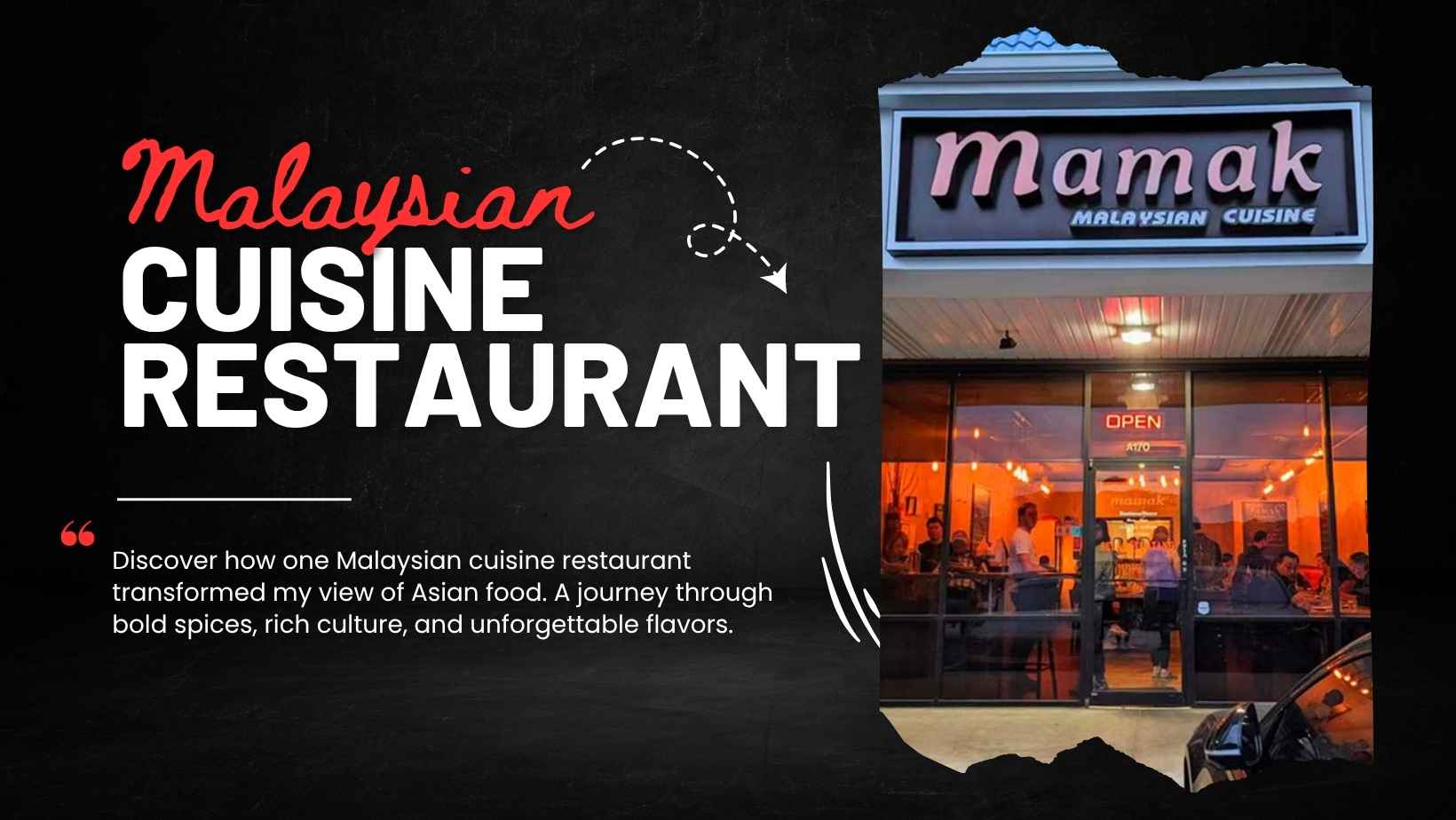

I used to think I knew Asian food. Thai curries, Chinese stir-fries, Japanese sushi I had tried them all. I felt like a seasoned explorer of the continent’s kitchens. Then, on a quiet Friday evening, a friend dragged me into a small Malaysian cuisine restaurant tucked between a laundromat and a flower shop. Nothing about the exterior was flashy. But what happened inside changed everything I thought I knew about food from Asia.
This is not just a food review. It is a story about discovery, culture, and the kind of meal that rewires your palate for good. Whether you have never heard of Malaysian food or you have been eating it for years, this article will give you a fresh lens through which to appreciate it.
Let us start from the very beginning.
What Is a Malaysian Cuisine Restaurant, Exactly?
Most Americans have a mental map of Asian food. It goes something like this: Chinese takeout, Japanese sushi bars, Korean BBQ spots, Thai noodle houses. Malaysian food rarely shows up on that map and that is a serious culinary blind spot.
A Malaysian cuisine restaurant serves food from Malaysia, a Southeast Asian country that shares borders with Thailand, Indonesia, and Singapore. But what truly sets it apart is not geography. It is history. Malaysia is home to three major ethnic groups Malay, Chinese, and Indian and each has left a deep mark on the country’s food culture. The result is a cuisine that blends three distinct culinary worlds into one cohesive, wildly flavorful experience.
The Three Cultures on Every Malaysian Plate
Think of Malaysian cuisine as a culinary conversation happening across three traditions:
- Malay influence: Rich coconut milk, slow-cooked curries, fragrant rice dishes, and deeply layered spice pastes called rempah.
- Chinese influence: Stir-frying techniques, wok-charred noodles, soy sauce, and tofu-forward dishes that trace back to Hokkien and Cantonese immigrants.
- Indian influence: Bold aromatics, flatbreads like roti canai, tamarind-based tanginess, and golden turmeric warmth across dozens of dishes.
No other Asian cuisine pulls all three together so seamlessly. When you walk into an authentic Malaysian cuisine restaurant, you are not choosing between influences. You are tasting all of them at once.
My First Visit to a Malaysian Cuisine Restaurant: What I Did Not Expect
We walked in without a reservation. The space was modest maybe fifteen tables, warm lighting, batik fabric panels on the walls. A handwritten specials board listed dishes I could barely pronounce. Nasi Lemak. Char Kway Teow. Asam Laksa. Beef Rendang.
I asked the server what to order. She smiled and said, “Everything.” I laughed. She did not.
So we ordered generously. And within twenty minutes, my entire understanding of Asian food began to shift.
The Smell Arrives Before the Food
Before the plates landed, the aromas did. Lemongrass. Toasted shrimp paste. Something sweet and smoky from the wok. These were not new ingredients individually, but together they formed a fragrance I had never encountered anywhere else. It was complex without being overwhelming like a chord rather than a single note.
A Malaysian cuisine restaurant engages your nose before your eyes. That is the first sign that something different is about to happen on your plate.
The Dishes That Rewired My Taste Buds
Let me walk you through the dishes that arrived that evening and what each one taught me.
Nasi Lemak: Malaysia’s National Dish That Has No Western Equivalent
Nasi Lemak translates to “rich rice.” The rice is cooked in coconut milk and pandan leaf until it is creamy, fragrant, and faintly sweet. It arrives surrounded by sambal a chili paste so complex it took me three bites to fully decode it. Crunchy fried anchovies, roasted peanuts, half a boiled egg, and crispy fried chicken complete the plate.
It sounds simple. It is anything but. Every component is intentional. The spicy sambal cuts through the richness of the coconut rice. The salty crunch of the anchovies provides contrast. The egg adds calm. It is a dish built on balance sweet, spicy, salty, and savory all at once.
No other Asian restaurant I had been to gave me this kind of architectural complexity in a single dish. That was my first lesson from the Malaysian cuisine restaurant: balance is not an afterthought. It is the entire point.
Laksa: The Noodle Soup That Leaves Everything Else Behind
The bowl of Curry Laksa that arrived next was enormous. A deep, golden broth floated thick noodles, prawns, fish cakes, bean sprouts, and tofu puffs. A dollop of sambal sat on the side. A single stalk of laksa leaf garnished the surface.
The first spoonful of broth stopped me mid-sentence. It was simultaneously spicy, creamy, tangy, and deeply savory. This was not Thai tom kha, not Indian curry, not Chinese wonton broth. It was something entirely its own born from all three traditions but loyal to none of them.
There is also Asam Laksa a completely different version built on tamarind and mackerel. Where Curry Laksa is rich and warming, Asam Laksa is sharp and bright. Both live under the same roof at many Malaysian cuisine restaurants, which tells you something about the range this cuisine carries.
Beef Rendang: A Slow-Cooked Masterpiece That Speaks in Whispers
Beef Rendang is arguably the most celebrated dish to come out of Malaysia. It is a dry curry no sauce pooling on the plate. The beef is slow-cooked for hours in coconut milk and a spice paste containing galangal, lemongrass, turmeric, chili, and kaffir lime leaf. As the liquid evaporates, the flavors caramelize into the meat.
The result is beef so tender it falls apart with no resistance. Each piece carries the depth of all those hours layers of spice that unfold slowly as you chew. It is a patient dish in a world of instant gratification.
Rendang taught me that Malaysian cuisine is not in a hurry. It earns its flavors.
Char Kway Teow: Street Food Elevated to an Art Form
Char Kway Teow is flat rice noodles stir-fried over screaming-hot flames. The key is wok hei that elusive smoky breath of the wok that only happens when oil and flame and food collide at the right temperature. Prawns, Chinese sausage, bean sprouts, eggs, and a dark soy-based sauce come together in a dish that is simultaneously smoky, sticky, sweet, and savory.
I had eaten noodle stir-fries before. None had this kind of smoky intensity. The best Malaysian cuisine restaurants in the US have chefs who understand wok hei and it makes all the difference.
Roti Canai: The Flatbread That Made Me Forget About Naan
Roti Canai looks deceptively simple a flaky, layered flatbread cooked on a hot griddle. But the preparation is a performance. Skilled cooks stretch and toss the dough by hand, creating dozens of thin layers before folding and frying it in ghee.
It arrives at your table crispy on the outside, pillowy within, served alongside a small bowl of dhal curry or fish curry for dipping. It is the kind of bread that makes you understand why Malaysian mornings begin with it.
The Ingredients Behind the Magic of Malaysian Cuisine
One reason a Malaysian cuisine restaurant feels so distinctive is its pantry. The combination of herbs, spices, and aromatics used in Malaysian cooking creates a flavor signature unlike anything else in Asia or the world.
Rempah: The Spice Paste That Starts Everything
At the heart of most Malaysian dishes is rempah a hand-pounded or blended spice paste made from fresh aromatics. Its base ingredients vary by dish, but typically include:
- Lemongrass grassy, citrusy, and deeply aromatic
- Galangal a cousin of ginger with a piney, sharper bite
- Turmeric earthy, slightly bitter, vibrantly golden
- Shallots and garlic the savory base
- Dried or fresh chilies heat calibrated to the dish
- Belacan (shrimp paste) pungent raw, transformative when cooked
This paste is fried in oil at the start of cooking, waking up every ingredient before anything else joins the pot. It is where the depth of a Malaysian dish is born. No shortcut or sauce packet can replicate it.
Coconut Milk and Pandan: The Soul of Malaysian Comfort Food
Coconut milk appears across both sweet and savory dishes in Malaysian cuisine. Unlike Thai cooking, where it adds creamy background notes, Malaysian cooks let coconut milk take center stage. It enriches curries, perfumes rice, and lends a natural sweetness that balances heat.
Pandan leaf sometimes called the vanilla of Asia is the other ingredient that defines Malaysian kitchens. Its subtly floral, nutty scent lifts desserts and rice dishes into something that feels almost ceremonial. Once you recognize pandan’s aroma, you will find it everywhere at a Malaysian cuisine restaurant.
How a Malaysian Cuisine Restaurant Compares to Other Asian Restaurants
This is the comparison I kept making in my head that evening and the one I want to walk you through clearly.
Malaysian vs Thai Food
Thai cuisine is known for its sharp, fresh flavors bright lime, crisp fish sauce, aromatic basil, and sweet-sour-salty-spicy balance. Malaysian food leans heavier. Coconut milk appears more often. The spice pastes are denser. The dishes tend to linger on the palate rather than snap at it. Both are brilliant, but they operate differently.
Malaysian vs Chinese Food
Chinese cuisine in Malaysia has evolved separately from its mainland origins. Malaysian Chinese dishes like Hokkien Mee or Hainanese Chicken Rice share names with their Chinese counterparts but taste entirely different. Local spices, tropical ingredients, and generations of adaptation have created something distinct. A Malaysian cuisine restaurant serving Chinese-influenced dishes is not serving Chinese food. It is serving Malaysian food made by Chinese descendants.
Malaysian vs Indian Food
Malaysian Indian food carries the warmth of South Indian cooking mustard seeds, curry leaves, tamarind, and rich lentil-based dishes but it has merged with Malay and Chinese influences over generations. The famous Mamak stalls in Malaysia, run by Tamil Muslim vendors, gave rise to dishes like Mee Goreng Mamak and Teh Tarik that exist nowhere else in the world.
Why a Malaysian Cuisine Restaurant Works for Every Type of Diner
One of the biggest surprises about Malaysian food is how inclusive it is. Walk into a good Malaysian cuisine restaurant and you will find options for almost every dietary need and taste preference.
For Spice Lovers
Malaysian food can go very spicy. Dishes like Asam Laksa, Sambal Belacan, and certain regional curries can challenge even seasoned heat-seekers. But the heat in Malaysian cooking is layered it builds rather than ambushes. Most restaurants are happy to adjust the spice level on request.
For Mild Palates
Plenty of Malaysian dishes are gentle on the palate. Hainanese Chicken Rice is a delicate, soothing plate of poached chicken over fragrant rice. Roti Canai with dhal is mild and deeply satisfying. Even Nasi Lemak can be enjoyed at a low spice level. There is a wide world of Malaysian flavor that does not require a high heat tolerance.
For Vegetarians and Vegans
Malaysian cuisine has a rich tradition of plant-based cooking, influenced by Indian vegetarian practices and Chinese Buddhist dietary customs. Tofu, tempeh, jackfruit, and a wide range of tropical vegetables appear throughout the menu. Many Malaysian cuisine restaurants in the US now offer clearly marked vegan options.
Popular vegan-friendly options include:
- Tofu Rendang the plant-based version of the classic dry curry
- Sayur Lemak vegetables cooked in spiced coconut milk
- Dhal Curry with Roti Canai a perfect everyday comfort meal
- Acar a tangy pickled vegetable relish
For Halal Diners
Malaysia is a Muslim-majority country, which means halal food is embedded into its culinary identity. Many Malaysian cuisine restaurants in the United States are halal-certified or serve predominantly halal menus. This makes them a trusted and welcoming option for Muslim American families who often struggle to find diverse dining choices that meet their dietary requirements.
What That One Malaysian Cuisine Restaurant Taught Me About Asian Food
By the end of that meal, I had eaten more food than I planned and thought more deeply about cuisine than I expected on a Friday night. Here is what truly shifted for me.
Asian Food Is Not a Monolith
Lumping all Asian cuisine into a single category is like saying all European food tastes the same. It does not. Malaysian food is not Thai food, not Chinese food, not Indian food. It is its own living thing shaped by geography, migration, religion, and centuries of cultural exchange.
A Malaysian cuisine restaurant offers a window into this complexity. Every dish on the menu carries a story of immigration, of adaptation, of cultures choosing to cook together rather than apart.
Great Food Takes Its Time
The best Malaysian dishes Rendang, Curry Laksa, Nyonya Kuih desserts require patience. Spice pastes are pounded by hand. Curries simmer for hours. Bread dough is stretched and folded repeatedly. In an era of fast food and instant gratification, a Malaysian cuisine restaurant is a quiet reminder that some things only taste this good because someone took the time to do them right.
Shared Tables Are the Best Tables
Malaysian dining culture is communal. Dishes are ordered for the table, not the individual. Plates are passed. Opinions are shared loudly. That evening, my friend and I ordered eight dishes for two people, and it was exactly right. We tried everything. We argued about which laksa was better. We tore roti canai with our hands and felt no need to be polite about it.
Good food is meant to be shared. Malaysian cuisine is built on this truth.
How to Find and Choose the Right Malaysian Cuisine Restaurant in the US
Malaysian food has been quietly growing in American cities for years. You can now find excellent Malaysian cuisine restaurants in New York, Los Angeles, Chicago, Houston, Washington D.C., and many other metropolitan areas. But not all restaurants are created equal. Here is how to find a good one.
Signs of an Authentic Malaysian Cuisine Restaurant
Look for these positive signals:
- The menu includes dishes from multiple ethnic traditions Malay, Chinese-Malaysian, and Indian-Malaysian.
- Rempah (spice paste) is mentioned or visible in cooking not sauce packets.
- Nasi Lemak, Laksa, and Rendang appear as main dishes, not afterthoughts.
- The restaurant is comfortable explaining dishes a knowledgeable server is always a good sign.
- Reviews mention the food being bold, complex, or unlike anything else not vague “Asian fusion.”
What to Order on Your First Visit
If you are walking into a Malaysian cuisine restaurant for the first time, here is a simple starter order:
- Roti Canai with dhal to ease in with something universally loved
- Nasi Lemak to get the full Malaysian experience in one plate
- Curry Laksa to understand what Malaysian broth is capable of
- Beef Rendang to taste Malaysian cuisine at its most patient and complex
- Teh Tarik the pulled milk tea that finishes every great Malaysian meal
The Growing Presence of Malaysian Cuisine Restaurants in America
Malaysian food is having a moment and it is well-deserved. Food media has begun to catch up to what Malaysian diners have known for decades. Publications like Bon Appetit and Eater have profiled Malaysian chefs and restaurants with growing frequency. Michelin Guide Kuala Lumpur published its 2026 edition recognizing 151 establishments, from humble street stalls to innovative fine dining, reflecting the cuisine’s extraordinary range.
In the United States, Malaysian restaurants are expanding beyond ethnic enclaves into mainstream neighborhoods. Younger Malaysian-American chefs are opening restaurants that honor tradition while speaking to contemporary American palates. The result is a growing network of Malaysian cuisine restaurants that make this food more accessible than ever.
This growth is not an accident. Malaysian food simply delivers bold flavors, generous portions, halal-friendly menus, and a dining culture built on sharing and community. In a country that embraces food as experience, the Malaysian cuisine restaurant is exactly what the moment calls for.
Continue Your Malaysian Food Journey
If this article opened a door for you, here are a few related reads to keep exploring:
- You can also read about: “10 Must-Try Dishes at a Malaysian Cuisine Restaurant in the US” a detailed dish-by-dish guide for first-timers.
- You can also read about: “The Best Halal Malaysian Cuisine Restaurants Across America” a city-by-city breakdown for halal diners.
- You can also read about: “Malaysian Spices 101: What Gives Malaysian Food Its Unique Flavor” a deep dive into rempah, coconut milk, and pandan.
Frequently Asked Questions About Malaysian Cuisine Restaurants
What is a Malaysian cuisine restaurant?
A Malaysian cuisine restaurant serves food from Malaysia a Southeast Asian nation with a unique culinary heritage shaped by Malay, Chinese, and Indian cultural influences. The menus typically feature dishes like Nasi Lemak, Laksa, Beef Rendang, Char Kway Teow, and Roti Canai, alongside drinks like Teh Tarik. These restaurants are known for bold spice profiles, rich coconut-based dishes, and a communal dining culture.
Is Malaysian food spicy?
Malaysian food can range from mild to very spicy, depending on the dish. Nasi Lemak and Roti Canai can be enjoyed at low spice levels, while dishes like Asam Laksa and Sambal Belacan carry significant heat. Most Malaysian cuisine restaurants in the US will adjust spice levels to your preference. It is always fine to ask.
Is Malaysian food healthy?
Many Malaysian dishes feature powerful health-promoting ingredients. Turmeric is well-documented for its anti-inflammatory properties. Lemongrass supports digestion. Galangal has antioxidant qualities. Coconut milk, though calorie-dense, contains medium-chain triglycerides that metabolize differently than other fats. Grilled dishes like Satay, steamed options like Hainanese Chicken Rice, and vegetable-forward curries are all excellent lighter choices at a Malaysian cuisine restaurant.
Is Malaysian food similar to Thai food?
They share some ingredients and regional proximity, but they are distinctly different cuisines. Thai food is generally brighter and sharper heavy on fresh herbs, lime, and fish sauce. Malaysian food is richer, denser, and more deeply spiced. Malaysian cuisine also carries significant Indian and Chinese influences that Thai food does not share in the same way. Visiting a Malaysian cuisine restaurant after eating at a Thai restaurant will make these differences immediately clear.
Are Malaysian cuisine restaurants halal?
Many Malaysian cuisine restaurants in the United States are halal-certified or serve predominantly halal menus, owing to Malaysia’s Muslim-majority cultural heritage. It is always best to confirm with the specific restaurant, as menus and certifications vary by location. For Muslim American diners, a Malaysian cuisine restaurant is often one of the most flavorful and diverse halal dining options available.
What should I order at a Malaysian restaurant for the first time?
For a first visit, order Roti Canai as a starter it is crowd-pleasing and introduces you to Malaysian-Indian flavors. Then try Nasi Lemak for the full Malaysian experience in one plate. If you enjoy noodle soups, Curry Laksa is a must. End the meal with Teh Tarik, Malaysia’s iconic pulled milk tea. This combination gives you a broad, satisfying introduction to what a Malaysian cuisine restaurant does best.
Conclusion: One Meal. A Completely New Perspective.
That Friday evening in a small Malaysian cuisine restaurant changed the way I eat, the way I think about flavor, and the way I understand Asia through food. It was not about being impressed by fine dining or novelty. It was about encountering a cuisine that carries centuries of cultural conversation in every bite.
Malaysian food does not ask you to choose between spice and comfort, between tradition and creativity, between one culture and another. It holds all of that at once. And that, more than any single dish, is what makes a Malaysian cuisine restaurant so quietly extraordinary.
If you have never been to one, go. Take someone with you. Order too much. Share everything. Let the food do the talking.