
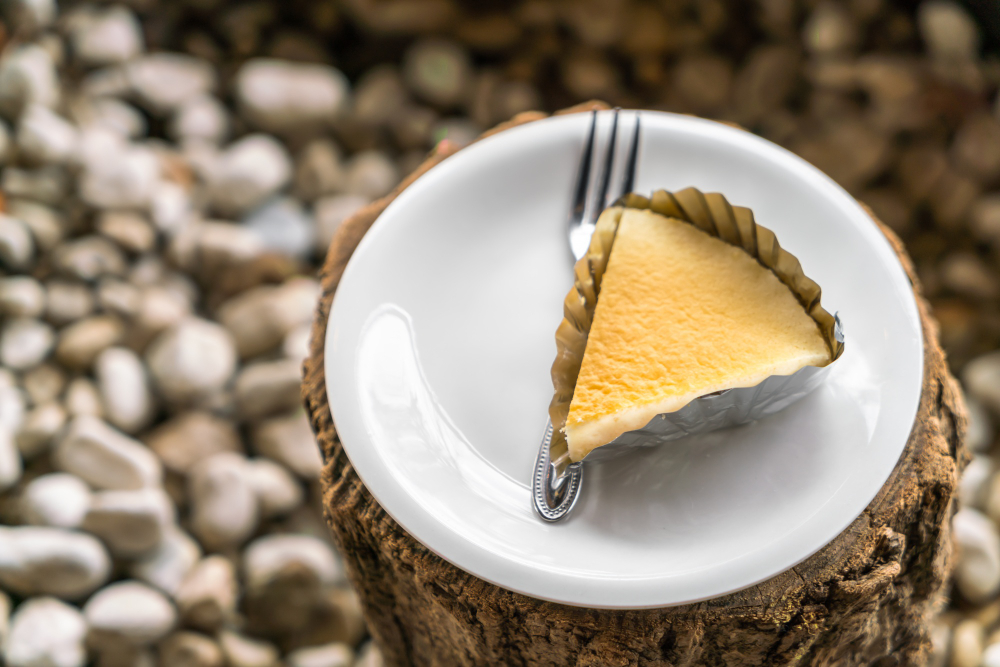

Imagine this: You’re at a family gathering, enjoying a slice of King Cheesecake a rich, creamy dessert that’s become a staple at many celebrations. But what if I told you that your favorite cheesecake could be putting you and your loved ones at risk? The recent King Cheesecake recall has left many people wondering if their beloved dessert is safe to eat.
Food recalls, though not always talked about in casual conversation, are a significant part of our lives, especially when they involve products that we trust. In this article, we’ll explore why the King Cheesecake recall is so important and why it matters to your health. We’ll also cover the risks associated with consuming recalled products, how you can identify affected cheesecakes, and what you need to do if you have one at home.
As we go through this, I want you to think about your own food safety practices. How often do you check food labels? Have you ever thought about the potential risks of consuming a product after a recall? Don’t worry I’ve got all the answers for you, along with practical tips on how to stay safe in the future.
1. What Triggered the King Cheesecake Recall?
Food recalls happen for various reasons, and the recent King Cheesecake recall was no different. When a product is found to be contaminated or mislabeled in some way, it may be pulled from shelves to prevent harm to consumers. But what exactly caused the King Cheesecake to be recalled? Let’s dive into that.
Why Was King Cheesecake Recalled?
In most cases, food recalls are triggered due to contamination, which can lead to serious health risks. In the case of King Cheesecake, concerns were raised over potential contamination with harmful pathogens. This is a serious issue, especially when dealing with desserts like cheesecake, which are often consumed without much thought about their safety.
The two primary culprits in many foodborne illnesses are bacteria like Salmonella and Listeria, both of which can lead to severe food poisoning if consumed. These bacteria can thrive in improperly stored or handled products, causing illness in people who eat the contaminated food. Additionally, allergens that are not properly labeled can also trigger serious allergic reactions, leading to potential recalls.
But there’s more. Sometimes, even manufacturing mistakes can lead to a recall. If a cheesecake was improperly labeled or if an ingredient was missing, the product could be recalled to prevent any unintended exposure to allergens or contaminants.
2. Health Risks of Consuming Contaminated King Cheesecake
Now that we know the reasons behind the King Cheesecake recall, let’s talk about the real danger here: the health risks involved in consuming contaminated products. I know it’s hard to imagine that something as simple and enjoyable as cheesecake could be dangerous, but the truth is that contaminated food can cause serious illness.
Potential Health Impacts of Contaminated Desserts
If you’ve already consumed a potentially affected King Cheesecake, you might be wondering what risks are involved. Let’s break down the potential health impacts:
- Listeriosis:
Listeria is a particularly dangerous bacterium that thrives in cold, damp environments like refrigerators. If you consume a product contaminated with Listeria, you could develop listeriosis, a serious infection. Symptoms typically include fever, muscle aches, and gastrointestinal issues like nausea and vomiting. In severe cases, listeriosis can lead to meningitis or even be fatal, particularly for those in high-risk groups such as pregnant women, newborns, the elderly, and people with weakened immune systems. - Salmonella Poisoning:
If the cheesecake was contaminated with Salmonella, you could experience symptoms like diarrhea, abdominal cramps, and fever. This bacterial infection is particularly harmful to young children, older adults, and individuals with weakened immune systems. In some cases, it can even lead to hospitalization or death, especially if not treated promptly. - Allergic Reactions:
Another significant concern with food recalls is allergens. Sometimes, products are recalled because they contain ingredients like peanuts, dairy, or gluten, which were not declared on the packaging. For individuals with allergies, consuming these ingredients can lead to severe allergic reactions including anaphylaxis, a potentially life-threatening condition that requires immediate medical attention.
The impact of consuming contaminated King Cheesecake isn’t something to take lightly. It’s important to be aware of these risks, as even a simple dessert could lead to long-lasting health issues.
3. How to Identify Affected King Cheesecake Products
You might be asking yourself, “How do I know if my King Cheesecake is affected by the recall?” It’s a valid question, and fortunately, there are ways to check. Identifying whether or not you have an affected product can be done with a few simple steps.
Step-by-Step Guide to Checking Your Product
Here’s how you can find out if your King Cheesecake is part of the recall:
- Look for Packaging Codes and Batch Numbers
The first step is to look at the packaging of your cheesecake. Most food products, especially those that are part of a recall, will include specific batch numbers or packaging codes. These numbers will be listed on the label, often near the expiration date or the barcode. - Check Expiration Dates
Expiration dates can also help you identify if the product is affected. Recalled items are often identified by specific date ranges so if your cheesecake is within the affected date range, it’s a good idea to check the other details, such as batch numbers and packaging codes. - Verify with the FDA
If you’re still unsure, the FDA (Food and Drug Administration) maintains an updated list of recalls on their website. You can visit the site and enter details from your product’s label to find out if it’s affected by the recall. - Contact the Manufacturer
If you’re unable to find the information online, you can always reach out to the manufacturer directly. They often have customer service lines dedicated to handling recalls and can verify whether your product is involved.
These steps are essential not only to keep you informed but to help protect yourself from harmful contamination. If your cheesecake is affected by the recall, make sure to follow the next steps carefully.
4. What to Do If You Have an Affected Product
If you’ve found out that your King Cheesecake is part of the recall, don’t panic! Here’s what you need to do next.
Steps to Take with Recalled King Cheesecake
- Do Not Consume the Product
It might be tempting to continue eating your cheesecake, especially if it looks fine, but if it’s part of the recall, do not eat it. Even though the product might appear normal, harmful bacteria can still be present, so it’s important to stop consuming it immediately. - Check for Refund or Replacement Options
Many stores and manufacturers will offer refunds or replacements for recalled items. If you bought your King Cheesecake from a store or online retailer, reach out to them. They should provide instructions on how to return the product and get a refund or replacement. - Dispose of the Product Safely
If you’re unable to return the product or if you simply want to dispose of it, make sure to do so safely. Keep it out of reach of children and pets to avoid accidental consumption. - Stay Informed
Keep an eye on any updates related to the recall. Sometimes, additional information about other affected products or new risks emerges. Staying informed will help you make the best decisions for your health.
Taking these steps will ensure that you’re not exposed to any health risks from the recalled product. And remember the faster you act, the safer you’ll be.
5. Preventing Foodborne Illnesses from Future Recalls
While you can’t always avoid a food recall, there are several proactive steps you can take to reduce your risk of foodborne illness in the future. Let’s talk about that.
Proactive Tips for Food Safety
Here are some key food safety practices you can adopt to protect yourself and your family:
- Store Food Properly
Make sure you store your food correctly, especially desserts that require refrigeration, like cheesecake. Keep them at the right temperature to prevent bacteria growth. Most perishable foods should be stored at or below 40°F (4°C). - Read Labels and Product Information
Get into the habit of reading labels before purchasing any food products. Look out for allergen warnings and make sure you’re aware of any potential contamination risks. It’s also helpful to check recall alerts, which can often be found on the product’s packaging or online. - Stay Informed
Use resources like the FDA or local health department websites to stay updated on recalls. Signing up for recall alerts or downloading recall apps can also keep you in the loop.
By following these practices, you can significantly reduce the risk of consuming a contaminated product. Prevention is always better than dealing with the consequences of a foodborne illness later on.
6. Why Recalls Matter: The Importance of Food Safety
Food recalls are a reminder that even the most familiar and beloved products can sometimes pose risks. The King Cheesecake recall, like others before it, highlights the importance of food safety and public health.
The Broader Impact of Recalls
While food recalls can be inconvenient, they are essential for keeping us safe. Companies that issue recalls are often doing so to protect consumers from potential harm. Here’s why food recalls are so important:
- Preventing Widespread Illness
By removing potentially harmful products from the market, recalls help to stop the spread of illness. Without recalls, contaminated food could continue to circulate, causing widespread health problems. - Improving Industry Standards
Recalls encourage manufacturers to improve their safety practices. When a recall occurs, it often leads to better quality control and more stringent testing in the future.
Conclusion: Stay Safe and Informed About Food Recalls
In conclusion, the King Cheesecake recall is a reminder of the importance of food safety and staying informed. By knowing how to identify affected products, taking action if you have a recalled item, and adopting proactive safety measures, you can protect yourself and your loved ones from potential harm.
Now that you understand why this recall matters to your health, I encourage you to take these lessons to heart. Stay vigilant, check your labels, and make food safety a top priority in your daily life. By doing so, you’ll be doing your part to protect yourself and your family from foodborne illnesses.
If you found this article helpful, be sure to share it with your friends and family. Together, we can create a safer environment for everyone.
FAQ Section
- What caused the King Cheesecake recall?
The recall was triggered due to contamination concerns, with the possibility of harmful bacteria like Listeria or Salmonella present in some products. - How can I identify if my King Cheesecake is part of the recall?
Check for product codes, batch numbers, and expiration dates. Visit the manufacturer’s website or the FDA’s recall page for more details. - What should I do if I have a recalled King Cheesecake?
If you have an affected product, do not consume it. Reach out to the store where you bought it for a refund or exchange, and dispose of the product safely. - Can food recalls affect other products?
Yes, food recalls can happen to any product, not just cheesecakes. Always check for updates on recalls related to any products you purchase. - How can I prevent foodborne illnesses from recalls?
Follow proper food storage, read labels carefully, and stay informed about food safety recalls by checking reliable sources like the FDA or local health department websites.