



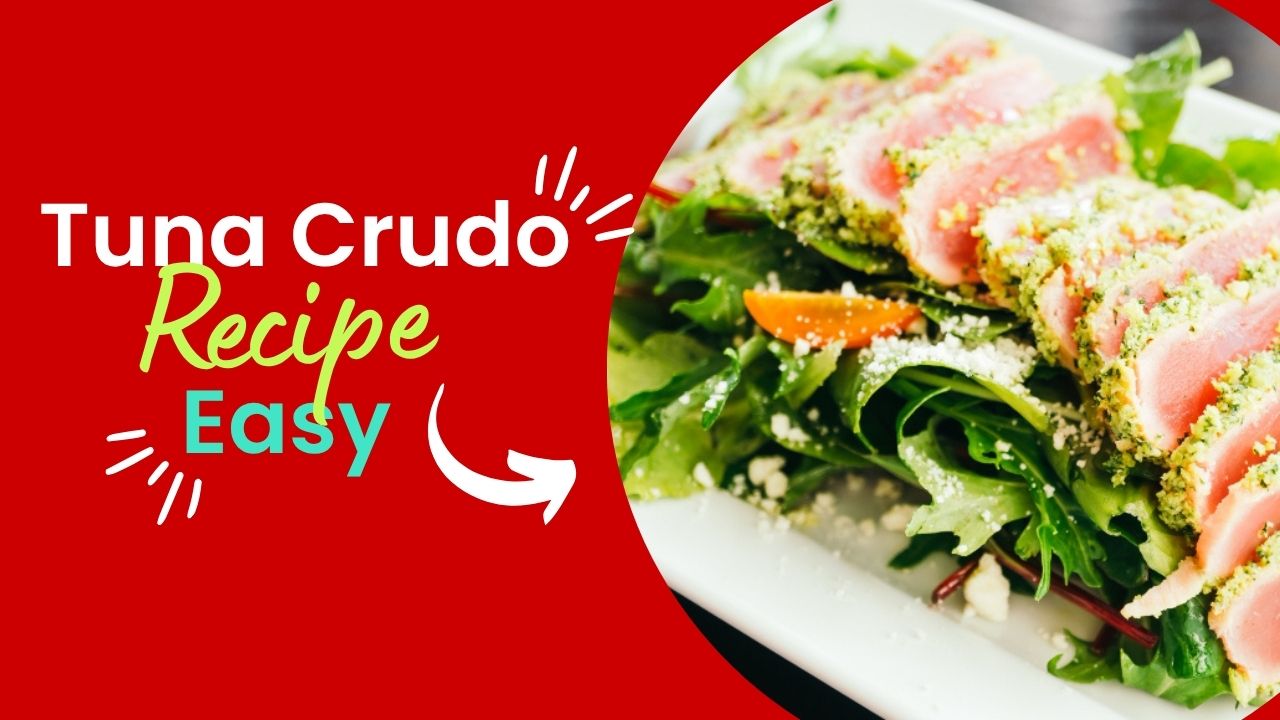

Tuna crudo is one of the fastest, most impressive dishes you can put on a table thin slices of raw, sashimi-quality tuna dressed simply in good olive oil, fresh lemon juice, and flaky sea salt. No stove, no oven, just five to seven ingredients and about 15 minutes of your time. This guide covers everything: what tuna crudo actually is, how it differs from sashimi and ceviche, which tuna to buy, step-by-step instructions, pro tips for slicing and timing, flavor variations, and safety guidance for eating raw fish at home.
What Is Tuna Crudo?
Tuna crudo (“crudo” is Italian for “raw”) is a raw tuna dish where thin slices of fresh, high-quality tuna are dressed with a simple combination of olive oil, citrus juice, and salt sometimes finished with herbs, chili flakes, or nuts. Unlike sushi, crudo is served without rice and is dressed just before eating rather than dipped in sauce at the table.
Tuna Crudo vs Sashimi What’s the Difference?
Sashimi is raw fish sliced and served plain, typically with soy sauce and wasabi on the side for dipping. Tuna crudo, by contrast, is pre-dressed on the plate with olive oil, citrus, and salt, so the seasoning is built into the dish itself rather than added at the table.
Tuna Crudo vs Ceviche vs Carpaccio
- Ceviche uses citrus juice (usually lime) to “cook” the fish chemically over time, changing its texture and turning it opaque.
- Carpaccio refers to any very thinly pounded or sliced raw protein (fish, beef, or vegetables), served with a dressing.
- Crudo is dressed immediately before serving and eaten while the fish is still fully raw and translucent it isn’t cured or “cooked” by the acid the way ceviche is.
Why You’ll Love This Tuna Crudo Recipe
- Ready in about 15 minutes with no cooking involved
- Only 5–7 ingredients, most of which you likely already have
- Naturally gluten-free, dairy-free, and low-carb
- Feels like a restaurant appetizer but costs a fraction of the price
- Easily customized with different citrus, herbs, or crunchy toppings
Key Ingredients for Tuna Crudo
Best Tuna to Use (Ahi/Yellowfin Tuna)
Look for sashimi-grade or sushi-grade ahi (yellowfin) tuna, ideally a thick, deep-red loin with no browning at the edges and no strong fishy smell. Bigeye and bluefin also work beautifully. Buy from a fishmonger or counter you trust, and ask specifically for tuna intended for raw consumption.
Choosing Good Quality Olive Oil
Because this dish has so few ingredients, the olive oil matters. A fruity, good-quality extra virgin olive oil will noticeably improve the final flavor this isn’t the place to use whatever oil is cheapest.
Fresh Lemon Juice
Freshly squeezed lemon juice brightens the richness of the tuna and ties the dish together. Bottled juice works in a pinch but fresh is best.
Flaky Sea Salt
A good flaky salt (like Maldon) adds texture and a clean, savory finish that ordinary table salt can’t replicate.
Optional Add-Ins (Pistachios, Basil, Chili Flakes, Avocado)
Crushed pistachios or toasted nuts add crunch, fresh basil or herbs add brightness, chili flakes add gentle heat, and diced avocado or cucumber adds creaminess and freshness.
Helpful Equipment/Tools Needed
- A sharp, thin slicing knife (a sushi/sashimi knife works best, but any sharp chef’s knife will do)
- A cutting board reserved for raw fish
- A wide, shallow serving plate
- Paper towels for patting the tuna dry
Step-by-Step Instructions
Step 1 Prepare the Tuna
Pat the tuna completely dry with paper towels. This helps you get clean slices and lets the seasoning cling to the surface rather than sliding off on excess moisture.
Step 2 Slice the Tuna Properly
Using a sharp knife, cut the tuna against the grain into thin, even slices, roughly ¼-inch thick. A smooth, single slicing motion (rather than a sawing motion) gives cleaner, more attractive cuts.
Step 3 Make the Dressing/Vinaigrette
Whisk together olive oil and fresh lemon juice in a small bowl. If you’re adding chili flakes, herbs, or other aromatics, stir them in at this stage so the flavors have a moment to meld.
Step 4 Plate the Crudo
Arrange the tuna slices on a chilled plate, slightly overlapping, in a single layer or fan pattern.
Step 5 Garnish and Serve
Drizzle the dressing generously over the tuna, sprinkle with flaky salt, and add any optional toppings like pistachios, basil, or chili flakes. Serve immediately.
Pro Tips for Perfect Tuna Crudo
How to Slice Tuna Easily (Freezer Trick)
Place the tuna in the freezer for about 10–15 minutes before slicing. This firms up the flesh just enough to make clean, thin, even cuts much easier especially useful for beginners.
Timing Make It Right Before Serving
Tuna crudo should be assembled and dressed right before eating, not prepared in advance. The acid in the lemon juice will start to lightly “cook” the surface of the fish the longer it sits, changing its texture and color from vibrant red to a duller, cooked-looking shade.
Balancing Flavors (Acid, Salt, Oil)
The dish lives or dies on balance taste as you go and adjust so the acid, salt, and oil all come through without one overpowering the tuna itself.
Flavor Variations of Tuna Crudo
Citrus & Rosé Wine Vinegar Style
Swap plain lemon juice for a mix of citrus segments (orange, grapefruit) and a splash of rosé wine vinegar for a fruitier, slightly tangy profile.
Pistachio-Basil Crudo
Add crushed pistachios and torn fresh basil for a nutty, herbaceous version with extra crunch and color contrast.
Avocado & Veggie Salad Style
Serve the tuna over or alongside a small diced salad of avocado, cucumber, apple, and herbs mixed with a touch of sour cream or a light vinaigrette for a heartier, composed-plate version.
Substitution Ideas (Vinegar, Citrus, Herbs)
- Vinegar: rice vinegar, white balsamic, or sherry vinegar in place of citrus
- Citrus: orange, grapefruit, or lime instead of lemon
- Herbs: cilantro, chives, or mint instead of basil
How to Serve Tuna Crudo
Best Plates/Presentation Style
Use a wide, flat, white plate to let the color of the tuna stand out, and arrange slices with a little space between them so each piece gets its share of dressing and salt.
Serving as an Appetizer
Tuna crudo works well as a starter for a dinner party, a light appetizer before a seafood-forward meal, or even a small individual portion as an elegant first course.
Storage Tips
Can You Store Leftover Tuna Crudo?
Tuna crudo is best eaten immediately and doesn’t store well once dressed, since the acid continues to change the texture of the fish. If you have undressed extra tuna, keep it tightly wrapped in the coldest part of the refrigerator and use it within a day. Any leftover dressing or side salad components can typically be refrigerated separately for a few days.
Is Tuna Crudo Healthy?
Yes tuna is a lean source of high-quality protein and provides omega-3 fatty acids, along with nutrients like iron, iodine, and choline. Because crudo is unsalted-cooking (raw) and dressed simply in olive oil and citrus rather than fried or breaded, it’s a naturally light, nutrient-dense dish that fits well into low-carb, gluten-free, and high-protein eating patterns.
Is Tuna Crudo Safe to Eat? (Raw Fish Safety Tips)
Raw tuna can be eaten safely when a few precautions are followed:
- Buy tuna labeled for raw consumption (sashimi-grade or sushi-grade) from a reputable fishmonger or seafood counter.
- Understand the FDA tuna exemption: most fish intended for raw eating must be frozen first to kill parasites, but bigeye, bluefin, and yellowfin tuna are exempt from this requirement because they’re naturally low-risk for the parasites the rule targets provided the fish was handled and chilled properly from the moment it was caught.
- Watch the temperature, not just the parasite risk. Because tuna is exempt from the freezing rule, temperature control becomes the main safety factor. Tuna left above 40°F (4°C) for more than about two hours can begin developing histamine, which causes scombroid poisoning a food-safety issue that isn’t fixed by freezing, cooking, or adding acid.
- Look for firm, deep-red flesh with no browning, dulling, or strong fishy odor; the flesh should spring back when pressed.
- Keep it cold until the moment you slice and serve it, and use clean utensils and a dedicated cutting board to avoid cross-contamination.
- Pregnant women, young children, older adults, and anyone immunocompromised should generally avoid raw fish, and should check current mercury-level guidance before eating tuna at all, since larger tuna species can carry higher mercury levels.
“Sushi-grade” and “sashimi-grade” are marketing terms, not official FDA classifications there’s no legal standard behind them in the U.S. What actually matters is where the fish came from, how quickly it was chilled after catching, and how it’s been stored since. When in doubt, ask your fishmonger directly about sourcing and handling.
Best Wine Pairing With Tuna Crudo
A crisp, high-acid white wine works best alongside tuna crudo’s citrus and olive oil flavors. Good options include Vermentino, unoaked Chardonnay, or a dry rosé all light enough not to overwhelm the delicate raw fish while still standing up to the acidity of the dressing.
Frequently Asked Questions (FAQ)
What Cut of Tuna Is Best for Crudo?
A thick loin cut of sashimi-grade ahi (yellowfin), bigeye, or bluefin tuna works best, since it slices cleanly into even pieces and has the right firm texture for serving raw.
Can I Use Frozen Tuna?
Yes in fact, previously frozen tuna is often the safer choice for raw eating, since proper freezing kills parasites in most fish species. Just thaw it slowly in the refrigerator and pat it very dry before slicing.
How Long Can Crudo Sit Before Serving?
Tuna crudo should be served within a few minutes of dressing. The lemon juice begins to lightly “cook” the surface of the fish over time, so waiting too long will dull the color and change the texture from silky to firmer and more opaque.