



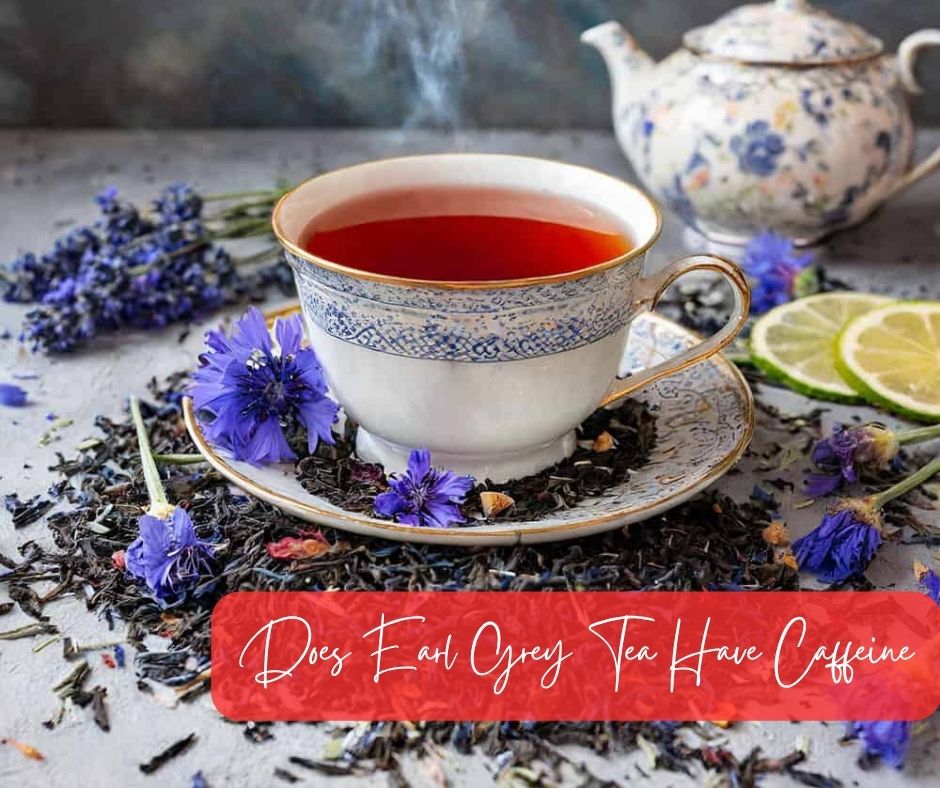

If you’ve ever held a warm cup of Earl Grey tea in your hands and wondered whether it contains caffeine, you’re definitely not alone. I remember the first time I switched from coffee to tea because I wanted smoother energy and fewer afternoon crashes. Like many people in the United States, I assumed tea was always lighter and gentler. But then I realized something important: not all teas are caffeine-free.
Earl Grey tea sits in a unique spot between comfort and energy. It has the boldness of black tea, the bright citrus aroma of bergamot, and a relaxing feeling that makes many people think it must be low in caffeine. The truth is a little more complicated.
Yes, traditional Earl Grey tea does contain caffeine. However, the amount depends on several factors, including the tea blend, the brewing time, and whether you choose regular or decaf versions.
In this complete guide, you’ll discover exactly how much caffeine is in Earl Grey tea, how it compares to coffee and green tea, what makes this tea special, and how you can enjoy it without disrupting your sleep or health goals. I’ll also share creativity-driven tips, brewing ideas, and smart ways to fit Earl Grey tea into your daily lifestyle.
Whether you are a casual tea drinker, a wellness enthusiast, or simply curious about what’s inside your favorite mug, this article will give you everything you need to know.
What Is Earl Grey Tea?
Before discussing caffeine levels, it helps to understand what Earl Grey tea actually is.
Earl Grey tea is traditionally made using black tea leaves flavored with bergamot oil. Bergamot is a fragrant citrus fruit that looks somewhat like a small orange but has a sharper, more floral scent.
This combination creates a tea that tastes:
- Smooth
- Slightly bold
- Refreshing
- Citrus-forward
- Lightly floral
- Rich without feeling heavy
For many tea lovers, Earl Grey feels elegant and comforting at the same time. It has become one of the most recognizable tea blends in the world.
One reason for its popularity is versatility. You can drink it hot in the morning, iced in the afternoon, or transformed into creative drinks like London Fog lattes.
Personally, I think Earl Grey tea appeals to people who want the strength of coffee but with a calmer personality.
Why Is It Called Earl Grey Tea?
The tea is named after Charles Grey, who served as the British Prime Minister in the 1830s. While historians debate the exact origin story, many believe the tea blend was created specifically for him.
Over time, the blend spread across Europe and eventually became popular in the United States.
Today, you can find many varieties of Earl Grey tea, including:
- Traditional Earl Grey
- Organic Earl Grey
- Decaf Earl Grey
- Lavender Earl Grey
- Green Earl Grey
- Cream Earl Grey
- Herbal Earl Grey alternatives
Each version offers a slightly different flavor and caffeine experience.
Does Earl Grey Tea Have Caffeine?
Let’s answer the main question directly.
Yes, traditional Earl Grey tea contains caffeine because it is usually made with black tea leaves.
Black tea naturally contains caffeine. Since Earl Grey uses black tea as its foundation, the tea also contains caffeine unless it is specifically labeled decaf or herbal.
Average Caffeine Content in Earl Grey Tea
A standard 8-ounce cup of Earl Grey tea usually contains:
- Around 40–70 milligrams of caffeine
However, this amount can vary depending on:
- The tea brand
- Brewing time
- Water temperature
- Loose leaf vs tea bag
- Serving size
- Tea quality
Compared to coffee, Earl Grey tea generally contains less caffeine.
Here’s a simple comparison table.
| Beverage | Average Caffeine |
| Earl Grey Tea | 40–70 mg |
| Green Tea | 25–45 mg |
| Coffee | 90–120 mg |
| Espresso Shot | 63–80 mg |
| Matcha Tea | 60–90 mg |
| Energy Drink | 80–200 mg |
This moderate caffeine content is one reason many people choose Earl Grey tea instead of coffee.
It provides a gentle energy boost without feeling too intense.
Why People Think Earl Grey Tea Is Caffeine-Free
There are several reasons why people often assume Earl Grey tea has little or no caffeine.
The Flavor Feels Light and Smooth
Unlike dark roast coffee, Earl Grey tea has a softer flavor profile. The bergamot gives it a bright citrus aroma that feels fresh and calming.
Because of that, many people associate it with relaxation rather than stimulation.
Confusion With Herbal Teas
Herbal teas like peppermint, chamomile, and rooibos are naturally caffeine-free.
Some people mistakenly group Earl Grey tea into the same category because it tastes aromatic and floral.
But traditional Earl Grey is not herbal tea.
It contains real black tea leaves, which naturally contain caffeine.
Decaf Versions Are Widely Available
Many grocery stores now sell decaf Earl Grey tea.
If someone has only tried decaf Earl Grey, they may assume all Earl Grey tea is caffeine-free.
Tea Feels Gentler Than Coffee
Many people describe tea energy as smoother and calmer.
That calmer feeling doesn’t mean there’s no caffeine. It simply means tea affects the body differently.
One reason is the amino acid L-theanine, which naturally occurs in tea.
What Makes Earl Grey Tea Different From Other Black Teas?
At first glance, Earl Grey may seem similar to English Breakfast or other black teas.
But the bergamot oil completely changes the experience.
The Bergamot Difference
Bergamot adds:
- Citrus brightness
- Floral notes
- A refreshing aroma
- Slight sweetness
- A smoother finish
This unique flavor profile makes Earl Grey tea feel lighter even though it still contains caffeine.
A More Balanced Drinking Experience
Many people feel Earl Grey tea provides balanced energy.
Coffee often hits quickly and strongly.
Earl Grey tea tends to feel steadier.
Personally, I enjoy this difference because it helps me focus without feeling overstimulated.
What Affects the Caffeine Level in Earl Grey Tea?
Not every cup of Earl Grey tea contains the same amount of caffeine.
Several factors influence the final caffeine content.
Brewing Time
Longer steeping extracts more caffeine.
For example:
- 1–2 minutes = lighter caffeine
- 3–5 minutes = moderate caffeine
- 6+ minutes = stronger caffeine
If you want less caffeine, one of my favorite tips is to shorten the steeping time slightly.
Water Temperature
Hotter water extracts caffeine more efficiently.
Boiling water creates a stronger cup than slightly cooler water.
Tea Leaf Size
Tea bags often contain smaller tea particles.
Smaller particles release caffeine faster.
Loose-leaf tea sometimes brews more gradually.
Tea Plant Variety
Different tea plants naturally contain different caffeine levels.
Some premium teas use younger leaves and buds, which may contain more caffeine.
Serving Size
Large mugs naturally increase caffeine intake.
A 16-ounce mug could contain nearly double the caffeine of a smaller cup.
Brand Differences
Every tea company uses different blends.
Some Earl Grey teas are designed to be strong breakfast teas.
Others focus more on floral flavor and less on intensity.
Types of Earl Grey Tea and Their Caffeine Levels
One of the most interesting things about Earl Grey tea is the variety available.
Not all versions contain the same amount of caffeine.
Traditional Earl Grey Tea
Traditional Earl Grey uses black tea leaves.
Typical Caffeine:
40–70 mg per cup
This is the version most people know.
It delivers moderate caffeine and a bold citrus flavor.
Decaf Earl Grey Tea
Decaf Earl Grey goes through a process that removes most of the caffeine.
Typical Caffeine:
2–10 mg per cup
It still contains tiny traces of caffeine, but far less than regular tea.
This version works well for:
- Evening drinking
- Caffeine-sensitive individuals
- Stress reduction routines
- Better sleep habits
Green Earl Grey Tea
Some blends use green tea instead of black tea.
Typical Caffeine:
25–45 mg per cup
Green Earl Grey tastes lighter and more delicate.
It’s often popular among wellness-focused tea drinkers.
Herbal Earl Grey Alternatives
These teas use herbs instead of real tea leaves.
Common ingredients include:
- Rooibos
- Lavender
- Citrus peel
- Hibiscus
Typical Caffeine:
0 mg
If you want the Earl Grey flavor without caffeine, herbal blends are an excellent option.
The Science Behind Caffeine in Tea
Caffeine is a natural stimulant.
It works by blocking adenosine, a chemical in your brain that promotes sleepiness.
When adenosine is blocked, you feel more awake and alert.
But tea contains more than caffeine.
The Role of L-Theanine
Tea naturally contains L-theanine, an amino acid linked to calm focus.
This combination of caffeine and L-theanine creates a smoother experience.
Many people say tea gives them:
- Better concentration
- Calm alertness
- Fewer jitters
- More balanced energy
This is one reason why Earl Grey tea feels different from coffee.
Coffee delivers stronger stimulation.
Tea often feels gentler and steadier.
Health Benefits of Earl Grey Tea
Earl Grey tea offers more than flavor.
When consumed in moderation, it may support overall wellness.
Rich in Antioxidants
Black tea contains polyphenols, which are antioxidant compounds.
Antioxidants help protect the body from oxidative stress.
Many health-conscious adults include antioxidant-rich beverages in their daily routine.
Supports Mental Focus
The caffeine and L-theanine combination may help improve concentration.
I personally find Earl Grey tea useful during creative work sessions because it keeps me alert without making me feel overly wired.
A Lower-Caffeine Alternative to Coffee
People trying to reduce caffeine often switch from coffee to tea.
Earl Grey provides enough stimulation for productivity while usually causing fewer crashes.
May Support Heart Health
Some studies suggest black tea may support heart health when consumed as part of a balanced lifestyle.
Of course, no single beverage is magical.
Healthy habits still matter most.
Encourages Better Hydration Habits
Replacing sugary drinks with unsweetened tea may help reduce excess calorie intake.
That’s one reason many wellness-focused Americans are adding tea to their routines.
Possible Side Effects of Earl Grey Tea
Although Earl Grey tea can be beneficial, too much caffeine may cause side effects.
Sleep Disruption
Drinking caffeinated tea late at night may interfere with sleep.
If you’re sensitive to caffeine, even an afternoon cup can affect bedtime.
Anxiety or Restlessness
Some individuals are highly sensitive to stimulants.
Too much caffeine may increase:
- Nervousness
- Restlessness
- Rapid thoughts
- Tension
Digestive Discomfort
Strong black tea may irritate sensitive stomachs.
Drinking tea on an empty stomach sometimes causes nausea in certain individuals.
Increased Heart Rate
Large amounts of caffeine may temporarily raise heart rate.
Moderation is important.
How Much Earl Grey Tea Can You Safely Drink?
Most healthy adults can safely enjoy Earl Grey tea daily.
General health guidelines often recommend limiting caffeine intake to around 400 mg per day.
That means many people can comfortably drink:
- 3–5 cups of Earl Grey tea daily
However, caffeine tolerance varies.
Some people feel energized after one cup.
Others can drink several cups without noticing strong effects.
The best approach is listening to your body.
If you notice sleep issues, headaches, or anxiety, reducing caffeine may help.
Best Time to Drink Earl Grey Tea
Timing can dramatically affect how tea makes you feel.
Morning
Many people replace coffee with Earl Grey tea in the morning.
It provides:
- Gentle energy
- Mental clarity
- A smoother start to the day
Personally, I love starting creative projects with Earl Grey because it feels energizing without overwhelming my focus.
Afternoon
A mid-day cup can help reduce the afternoon slump.
Tea often feels less intense than another cup of coffee.
Evening
Regular Earl Grey tea may interfere with sleep if consumed too late.
If you enjoy tea at night, decaf versions are usually a smarter choice.
Earl Grey Tea vs Coffee
People often compare Earl Grey tea and coffee because both contain caffeine.
But the experience is very different.
Caffeine Strength
Coffee usually contains nearly double the caffeine.
| Drink | Average Caffeine |
| Earl Grey Tea | 40–70 mg |
| Coffee | 90–120 mg |
Energy Feel
Coffee tends to hit faster.
Tea feels smoother and more gradual.
Jitters and Crashes
Some people experience caffeine crashes after coffee.
Tea may feel gentler because of L-theanine.
Acidity
Coffee is more acidic.
People with sensitive stomachs sometimes tolerate tea better.
Creativity and Focus
I’ve noticed that tea often supports calm creativity better than coffee.
Coffee can feel intense.
Tea feels balanced.
That difference matters for people who work long hours, study, or create content.
Can Earl Grey Tea Help With Weight Loss?
Earl Grey tea is not a miracle weight-loss drink.
Still, it may support healthier habits.
Low-Calorie Beverage
Unsweetened Earl Grey tea contains almost no calories.
Replacing sugary beverages with tea may reduce overall calorie intake.
Supports Healthy Routines
Many people pair tea with mindful eating habits.
The ritual itself can help slow down daily stress.
Mild Metabolism Support
Caffeine may slightly support metabolism and exercise performance.
However, realistic expectations are important.
Tea works best as part of an overall healthy lifestyle.
Is Earl Grey Tea Better Than Energy Drinks?
For many people, yes.
Energy drinks often contain:
- Extremely high caffeine
- Added sugars
- Artificial ingredients
- Intense stimulants
Earl Grey tea usually provides:
- Moderate caffeine
- Natural ingredients
- Antioxidants
- Smoother energy
If you’re trying to create healthier daily habits, tea is often a more balanced option.
Is Decaf Earl Grey Tea Worth Trying?
Absolutely.
Modern decaf teas taste much better than they did years ago.
If you love the flavor of Earl Grey but want less caffeine, decaf blends are worth exploring.
Benefits of Decaf Earl Grey Tea
- Better for evenings
- Less risk of sleep disruption
- Easier on sensitive individuals
- Relaxing bedtime option
Possible Downsides
Some people notice:
- Slightly lighter flavor
- Less boldness
- Reduced aroma
Still, many premium brands now produce excellent decaf options.
How to Reduce Caffeine in Earl Grey Tea
If you love Earl Grey tea but want to reduce caffeine, there are several simple strategies.
Use Shorter Brewing Times
Short steeping reduces caffeine extraction.
Try Half-Caff Methods
Some people mix regular and decaf Earl Grey tea.
This creates a balanced middle ground.
Drink Smaller Portions
Using smaller cups naturally lowers caffeine intake.
Switch to Herbal Earl Grey Alternatives
Rooibos Earl Grey offers similar flavor without caffeine.
Avoid Late-Night Consumption
Stopping caffeine earlier in the day can improve sleep quality.
Creative Ways to Enjoy Earl Grey Tea
One reason Earl Grey tea remains popular is versatility.
You can get creative with it.
London Fog Latte
This café-style drink combines:
- Earl Grey tea
- Steamed milk
- Vanilla
It feels cozy and luxurious.
Iced Earl Grey Tea
Cold Earl Grey tea works beautifully in summer.
Add lemon slices for extra freshness.
Earl Grey Smoothies
Some wellness enthusiasts blend chilled Earl Grey tea into smoothies.
Earl Grey Desserts
The bergamot flavor pairs surprisingly well with:
- Cakes
- Cookies
- Ice cream
- Shortbread
Morning Wellness Routine
Many people replace sugary breakfast drinks with tea.
That small lifestyle shift can support healthier daily habits.
Popular Earl Grey Tea Brands in the United States
There are many excellent Earl Grey tea brands available.
Twinings Earl Grey
One of the most famous classic options.
Balanced and approachable.
Harney & Sons Earl Grey Supreme
Known for richer bergamot flavor and premium tea leaves.
Bigelow Earl Grey
Affordable and widely available.
Tazo Earl Grey
Often stronger and bolder.
Stash Earl Grey
Offers flavorful blends with a modern twist.
Trying different brands is part of the fun.
Each company creates its own flavor personality.
How to Brew the Perfect Cup of Earl Grey Tea
Brewing makes a huge difference.
A poorly brewed cup can taste bitter.
A properly brewed cup feels smooth, aromatic, and comforting.
Ingredients
- 1 tea bag or 1 teaspoon loose Earl Grey tea
- 8 ounces hot water
- Optional milk, lemon, or honey
Brewing Instructions
- Heat water to near boiling.
- Pour water over the tea.
- Steep for 3–5 minutes.
- Remove tea leaves or tea bag.
- Customize to your taste.
Personal Brewing Tips
Here are some of my favorite brewing tips:
- Don’t over-steep.
- Use filtered water if possible.
- Experiment with steep times.
- Try adding vanilla for a dessert-like flavor.
- Avoid too much sugar.
Small adjustments can completely change the experience.
Does Earl Grey Tea Stain Teeth?
Like many black teas, Earl Grey tea can contribute to staining over time.
This happens because black tea contains tannins.
Tips to Reduce Staining
- Drink water after tea
- Use a straw for iced tea
- Practice good dental hygiene
- Avoid excessive sugar
Moderation usually helps minimize staining concerns.
Can You Drink Earl Grey Tea Every Day?
For most healthy adults, yes.
Daily Earl Grey tea consumption can fit into a balanced lifestyle.
Many people enjoy:
- One morning cup
- An afternoon cup
- Occasional evening decaf tea
The key is balance.
Listen to your body.
If caffeine affects your sleep or anxiety levels, adjust accordingly.
Who Should Be Careful With Earl Grey Tea?
Certain groups may need to monitor caffeine intake more carefully.
Pregnant Women
Pregnancy guidelines often recommend limiting caffeine.
Consulting a healthcare provider is always the safest approach.
People With Anxiety Disorders
Caffeine sensitivity varies.
Some people feel calm with tea.
Others may feel overstimulated.
Individuals With Insomnia
Avoiding caffeine later in the day may improve sleep quality.
Children and Teenagers
Younger individuals are often more sensitive to caffeine.
Moderation matters.
Earl Grey Tea and Mental Wellness
Many people associate tea with comfort and calm.
That’s not just marketing.
Tea-drinking rituals often encourage slowing down.
Preparing tea can become a small act of mindfulness.
Personally, I find that sitting quietly with a warm cup of Earl Grey tea helps reduce stress during busy days.
Sometimes wellness is not only about ingredients.
It’s also about routines.
Simple daily rituals can improve how you feel.
Common Myths About Earl Grey Tea
| Myth | Reality |
| Myth 1: Earl Grey Tea Is Caffeine-Free | False. Traditional Earl Grey tea contains caffeine because it is made with black tea leaves. |
| Myth 2: Tea Cannot Affect Sleep | False. Caffeine sensitivity varies, and tea can absolutely affect sleep for some individuals. |
| Myth 3: Earl Grey Tea Is Always Healthy | Not necessarily. Large amounts of sugar or excessive caffeine can reduce its health benefits. |
| Myth 4: Decaf Tea Has Zero Caffeine | Most decaf teas still contain tiny traces of caffeine, even after processing. |
Frequently Asked Questions About Earl Grey Tea
Does Earl Grey Tea Keep You Awake?
Yes, it can.
Because Earl Grey tea contains caffeine, drinking it late at night may interfere with sleep.
Is Earl Grey Tea Stronger Than Coffee?
No.
Coffee usually contains much more caffeine.
Can You Drink Earl Grey Tea While Fasting?
Unsweetened Earl Grey tea is often consumed during fasting periods because it contains almost no calories.
Is Earl Grey Tea Good Before a Workout?
Some people enjoy it before exercise because the caffeine may support energy and focus.
Does Decaf Earl Grey Tea Have Any Caffeine?
Yes, but only very small amounts.
What Does Earl Grey Tea Taste Like?
It tastes bold yet refreshing, with citrus and floral notes from bergamot.
Final Thoughts
So, does Earl Grey tea have caffeine?
Yes, traditional Earl Grey tea does contain caffeine because it is made with black tea leaves. However, compared to coffee, the caffeine level is usually lower and often feels smoother.
That balance is exactly why so many people love it.
Earl Grey tea combines comfort, flavor, focus, and creativity in a way few beverages can. Whether you enjoy it as part of your morning routine, afternoon work session, or relaxing evening ritual, it can absolutely fit into a healthy lifestyle.