



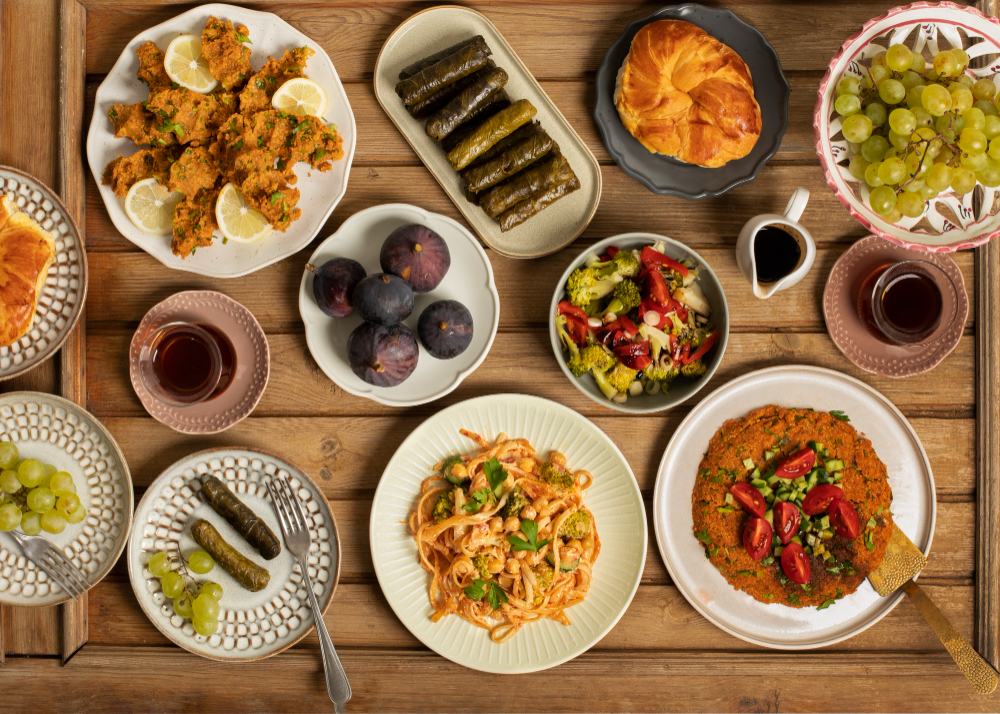

Food has always been more than just something we eat. It represents culture, history, traditions, and the way people connect with each other. Mediterranean food is one of the best examples of how simple ingredients can create flavorful, nutritious, and meaningful meals.
From fresh vegetables and olive oil to seafood, grains, herbs, and legumes, Mediterranean cuisine focuses on natural flavors and balanced eating. It includes traditional dishes from countries surrounding the Mediterranean Sea, such as Greece, Italy, Spain, Turkey, Morocco, and other regions with their own unique culinary identities.
Today, Mediterranean food is enjoyed worldwide not only because of its taste but also because many people associate this style of eating with a healthier lifestyle. However, Mediterranean cuisine is not just a list of ingredients or recipes. It is a combination of cooking traditions, local foods, family meals, and cultural practices passed through generations.
In this complete guide, we will explore what Mediterranean food is, its popular dishes, essential ingredients, cooking styles, and why it has become one of the most appreciated cuisines around the world.
What Is Mediterranean Food?
Mediterranean food refers to the traditional cuisines of countries located around the Mediterranean Sea. Although these regions share some common ingredients and cooking methods, each country has developed its own flavors, recipes, and food traditions.
For example:
- Greece is known for dishes like Greek salad, tzatziki, and grilled seafood.
- Italy is famous for pasta, bruschetta, and fresh vegetable-based dishes.
- Turkey combines Mediterranean ingredients with Middle Eastern and Ottoman influences.
- Spain offers dishes such as paella and gazpacho.
- Morocco uses aromatic spices, legumes, and slow-cooked meals.
While the dishes vary, many Mediterranean cuisines share common elements:
- Fresh seasonal vegetables
- Fruits
- Olive oil
- Whole grains
- Beans and lentils
- Nuts and seeds
- Seafood
- Herbs and spices
- Moderate amounts of dairy and meat
The Mediterranean diet and food culture were recognized by UNESCO as an Intangible Cultural Heritage of Humanity because they represent not only food practices but also traditions of farming, cooking, sharing meals, and community life.
What Makes Mediterranean Food Different?
Many cuisines focus mainly on specific dishes, but Mediterranean cuisine is built around a complete food philosophy.
1. Fresh and Simple Ingredients
Mediterranean cooking usually does not rely on heavily processed foods. Instead, it highlights ingredients in their natural form.
A simple meal might include:
- Tomatoes with olive oil and herbs
- Grilled fish with lemon
- Fresh vegetables with cheese
- Chickpeas cooked with spices
- Whole grain bread with dips
The goal is not to hide flavors but to enhance them.
2. Olive Oil as a Key Ingredient
Olive oil is one of the most recognizable ingredients in Mediterranean cooking. It is commonly used for cooking, dressings, marinades, and finishing dishes.
Extra virgin olive oil is especially valued for its flavor and is widely used throughout Mediterranean regions.
It adds:
- Rich flavor
- Smooth texture
- A traditional Mediterranean touch
3. Balance Instead of Restriction
Traditional Mediterranean eating is not based on eliminating entire food groups. Instead, it focuses on balance.
Meals usually include a combination of:
- Vegetables for freshness
- Grains for energy
- Legumes for protein
- Healthy fats
- Seafood or moderate animal products
This balanced approach is one reason Mediterranean food has become popular among people interested in healthy eating.
Popular Mediterranean Food Ingredients
Understanding the basic ingredients helps explain why Mediterranean dishes have such distinctive flavors.
Olive Oil
Olive oil is often considered the foundation of Mediterranean cooking. It is used in salads, roasted vegetables, seafood dishes, and sauces.
Fresh Vegetables
Vegetables are central to many Mediterranean meals.
Common choices include:
- Tomatoes
- Eggplant
- Bell peppers
- Cucumbers
- Onions
- Spinach
- Zucchini
Many dishes highlight vegetables rather than using them only as side ingredients.
Legumes
Beans, chickpeas, and lentils are important parts of Mediterranean cuisine.
Popular examples include:
- Hummus made with chickpeas
- Lentil soups
- Bean stews
- Chickpea salads
Whole Grains
Traditional Mediterranean meals often include grains such as:
- Whole grain bread
- Bulgur
- Couscous
- Rice
- Pasta
Seafood
Because many Mediterranean countries are located near the sea, seafood has a strong role in traditional dishes.
Common seafood choices include:
- Fish
- Shrimp
- Octopus
- Sardines
Herbs and Spices
Mediterranean flavors often come from natural seasonings rather than heavy sauces.
Popular herbs include:
- Basil
- Oregano
- Rosemary
- Thyme
- Parsley
Common flavor additions include:
- Garlic
- Lemon
- Cumin
- Paprika
Most Popular Mediterranean Dishes You Should Try
Mediterranean cuisine offers hundreds of dishes, but some have become internationally famous.
1. Greek Salad
Greek salad is one of the simplest Mediterranean dishes.
Traditional ingredients include:
- Tomatoes
- Cucumbers
- Olives
- Feta cheese
- Onion
- Olive oil
Its popularity comes from its fresh ingredients and simple preparation.
2. Hummus
Hummus is a creamy dip made mainly from:
- Chickpeas
- Tahini
- Olive oil
- Lemon juice
- Garlic
It is commonly served with bread, vegetables, or as part of a mezze platter.
3. Falafel
Falafel is made from ground legumes, usually chickpeas or fava beans, mixed with herbs and spices.
It is often served:
- Inside pita bread
- With salads
- Alongside hummus and sauces
4. Tzatziki
Tzatziki is a refreshing Greek sauce made with:
- Yogurt
- Cucumber
- Garlic
- Herbs
It is commonly paired with grilled meats and vegetables.
5. Paella
Paella is a famous Spanish dish traditionally prepared with rice and ingredients such as:
- Seafood
- Chicken
- Vegetables
- Saffron
Different regions of Spain have their own versions.
6. Grilled Seafood
Fresh seafood cooked simply with olive oil, herbs, and lemon is a classic Mediterranean meal.
The focus is usually on preserving the natural taste of the ingredients.
Why Is Mediterranean Food Considered Healthy?
Mediterranean food is often discussed because it emphasizes a pattern of eating based on vegetables, fruits, legumes, whole grains, seafood, and healthy fats.
Research on Mediterranean-style eating patterns has linked them with various health benefits, especially when combined with an overall balanced lifestyle. However, individual health outcomes depend on many factors, including genetics, activity levels, and total diet quality.
Some commonly discussed benefits include:
Supports Heart-Friendly Eating
Mediterranean-style meals often replace large amounts of saturated fats with sources of unsaturated fats, such as olive oil and nuts.
Rich in Nutrient-Dense Foods
Many Mediterranean dishes naturally include:
- Fiber-rich vegetables
- Plant-based proteins
- Vitamins and minerals
- Antioxidant-rich foods
Encourages Balanced Meals
Instead of focusing on quick processed foods, Mediterranean cooking encourages preparing meals with whole ingredients.
Mediterranean Food vs Mediterranean Diet: Is There a Difference?
Many people use these terms interchangeably, but they are slightly different.
Mediterranean Food
This refers to the actual cuisine:
- Recipes
- Ingredients
- Cooking styles
- Traditional dishes
Examples:
- Hummus
- Greek salad
- Paella
Mediterranean Diet
This refers to a broader eating pattern that includes:
- Food choices
- Meal habits
- Lifestyle practices
The Mediterranean diet is not only about what people eat but also about traditions like sharing meals and enjoying food socially.
Easy Mediterranean Meal Ideas for Beginners
If you want to introduce Mediterranean food into your routine, start with simple meals.
Breakfast Ideas
- Greek yogurt with fruits and nuts
- Whole grain toast with olive oil and tomatoes
- Fresh fruit with seeds
Lunch Ideas
- Chickpea salad with vegetables
- Hummus wrap
- Mediterranean grain bowl
Dinner Ideas
- Grilled fish with vegetables
- Lentil soup with whole grain bread
- Vegetable pasta with olive oil and herbs
How To Start Eating More Mediterranean Food
You do not need to completely change your diet overnight.
Start with small changes:
Add More Vegetables
Include more fresh vegetables in your meals.
Use Olive Oil More Often
Replace some less traditional cooking fats with olive oil where appropriate.
Eat More Legumes
Try adding beans, lentils, or chickpeas regularly.
Choose Fresh Foods
Reduce reliance on heavily processed foods.
Enjoy Meals Slowly
Mediterranean food culture often emphasizes enjoying meals with family and friends.
Final Thoughts: Why Mediterranean Food Remains Popular
Mediterranean food has become popular around the world because it combines three things people look for in great cuisine: flavor, simplicity, and tradition.